







Why the EU Drinking Water Directive Matters Beyond Europe
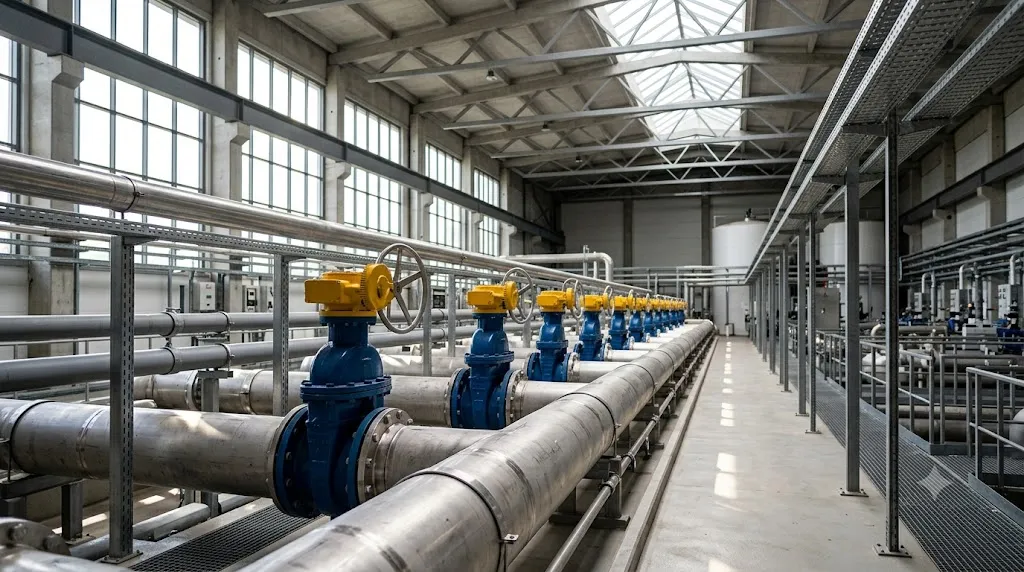
Europe’s revised Drinking Water Directive (EU 2020/2184) is often viewed simply as another regulatory update. In reality, it represents a fundamental shift in how drinking water infrastructure is designed, manufactured and maintained—not only within Europe, but across global supply chains.
For manufacturers of industrial valves, pumps, pipelines and water treatment equipment, compliance is no longer just about meeting minimum technical specifications. It increasingly influences procurement decisions, market access, product development and long-term competitiveness.
Although the legislation applies within the European Union, its influence extends far beyond European borders. Global OEMs, EPC contractors, engineering consultants and municipal utilities are beginning to align procurement specifications with the Directive’s material safety and hygiene requirements. As a result, manufacturers serving international markets should view these changes as an opportunity to strengthen product quality rather than simply another compliance exercise.
For suppliers targeting European infrastructure projects, understanding the Directive has become an essential part of international business development.
Why Industrial Valves Are Becoming Strategic Assets
Industrial valves have traditionally been regarded as mechanical components responsible for controlling water flow. Today, their role extends far beyond isolation and regulation.
Modern water infrastructure demands equipment capable of delivering operational reliability, energy efficiency, digital connectivity and long service life. Every valve installed within a drinking water network directly influences water quality, hydraulic efficiency and maintenance costs.
Rather than being treated as low-value commodities, industrial valves are increasingly recognised as strategic assets throughout the lifecycle of water infrastructure.
Utilities now evaluate valve performance using criteria such as:
- Lifecycle reliability
- Energy consumption
- Leakage prevention
- Digital monitoring capability
- Material compliance
- Maintenance requirements
- Asset lifespan
This shift is changing purchasing priorities across municipal water projects worldwide.
Featured Snippet
What are industrial valves?
Industrial valves are mechanical devices used to start, stop or regulate the flow of liquids and gases within piping systems. In water and wastewater treatment, they control pressure, isolate equipment, prevent backflow and ensure safe, reliable operation throughout treatment plants and distribution networks.
Understanding Article 11: What Valve Manufacturers Should Know
One of the most significant aspects of the revised EU Drinking Water Directive is Article 11, which introduces harmonised hygiene requirements for materials that come into contact with drinking water.
Rather than each European country maintaining separate approval systems, the Directive establishes a common framework for evaluating materials used in products such as:
- Industrial valves
- Pumps
- Pipes
- Pipe fittings
- Water meters
- Storage tanks
- Seals and gaskets
- Coatings
- Components used within drinking water installations
The objective is straightforward: ensure that materials do not compromise drinking water quality by releasing hazardous substances or promoting microbial growth.
For valve manufacturers, this means compliance extends well beyond pressure ratings and mechanical performance.
Increasingly, buyers also examine:
- Material composition
- Surface finish
- Corrosion resistance
- Traceability
- Manufacturing quality
- Hygiene certification
These factors are becoming key differentiators during supplier evaluation.
Why This Matters for Global Manufacturers
Many manufacturers outside Europe assume the Directive only affects European companies.
That assumption is changing rapidly.
Chinese, Indian, Turkish and Southeast Asian valve manufacturers increasingly supply products for international EPC projects funded by development banks or multinational engineering firms.
These projects often adopt European specifications regardless of project location.
Consequently, manufacturers seeking export opportunities are beginning to invest in:
- Lead-free alloys
- Advanced stainless steels
- Improved coating technologies
- Enhanced production traceability
- Third-party testing
- International certification
Compliance has evolved into a competitive advantage rather than merely a legal obligation.
Materials in Contact with Drinking Water
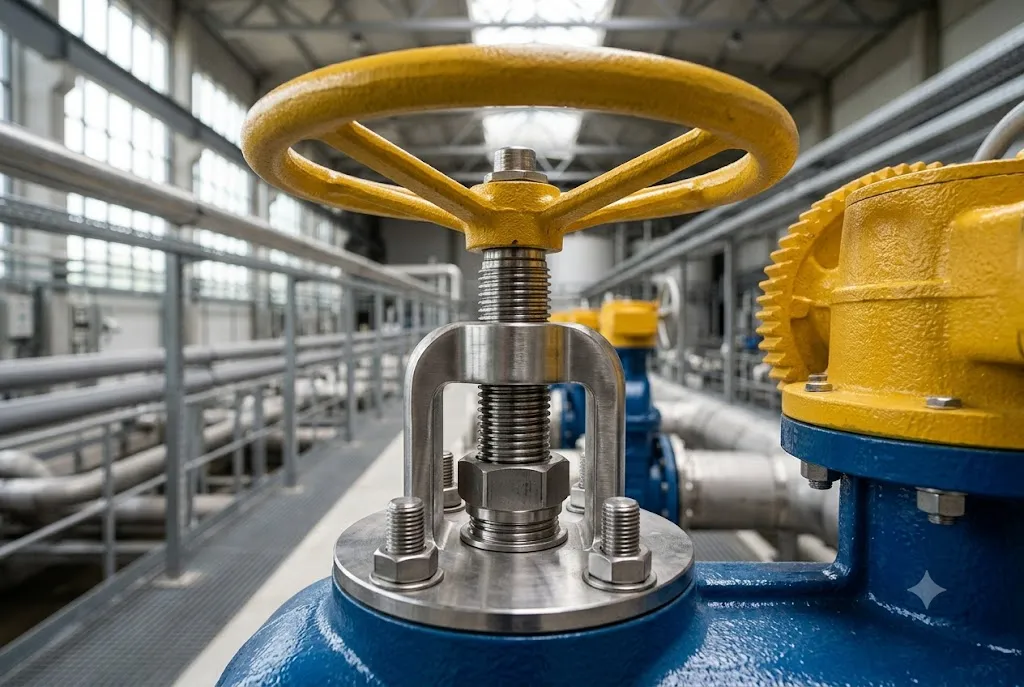
Material selection has become one of the most critical considerations in modern valve design.
Historically, procurement decisions focused primarily on pressure ratings and purchase price.
Today, utilities increasingly evaluate how valve materials influence drinking water safety throughout decades of operation.
Common materials include:
Stainless Steel
Widely used for corrosion resistance, hygienic performance and durability.
Suitable for:
- Municipal water supply
- Desalination
- Food processing
- Pharmaceutical applications
Ductile Iron
Still one of the most common materials for municipal water valves.
Typically protected through:
- Fusion bonded epoxy coatings
- Cement mortar lining
- Polyurethane coatings
to reduce corrosion and maintain drinking water quality.
Bronze and Brass
Traditionally used in many drinking water applications.
However, increasing restrictions on lead migration are encouraging manufacturers to develop lead-free alternatives suitable for future regulatory requirements.
Elastomers and Sealing Materials
Components such as:
- EPDM
- PTFE
- NBR
must also satisfy hygiene requirements because they remain in direct contact with potable water.
Selecting the correct sealing material significantly affects long-term performance and maintenance intervals.
Featured Snippet
Why are industrial valves important?
Industrial valves are essential because they regulate water flow, maintain system pressure, protect pumps, prevent contamination and support safe operation throughout drinking water and wastewater infrastructure. Proper valve selection improves reliability, reduces maintenance costs and extends the operational life of critical assets.
Smart Valves Are Transforming Water Infrastructure
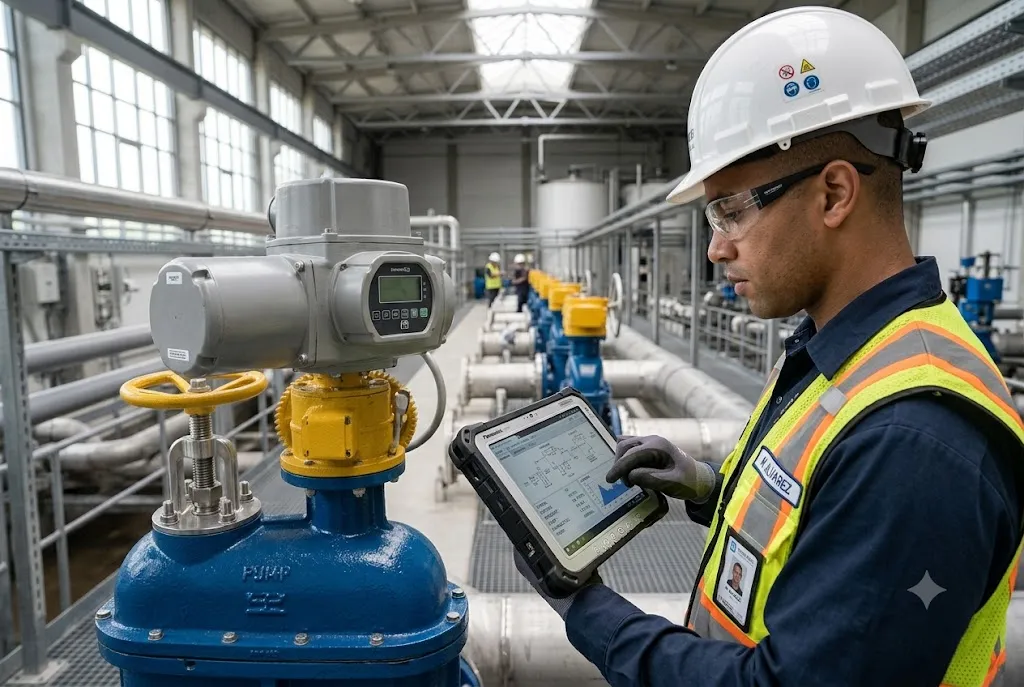
Digitalisation is reshaping nearly every aspect of the global water sector.
Industrial valves are no longer passive mechanical devices.
Today’s smart valves combine traditional flow control with sensors, actuators and communication technologies capable of providing continuous operational data.
Connected through SCADA platforms and Industrial IoT systems, smart valves enable operators to monitor:
- Valve position
- Operating cycles
- Torque
- Pressure
- Temperature
- Leakage
- Equipment health
in real time.
Rather than waiting for equipment failures, maintenance teams can identify developing issues before operational disruptions occur.
Predictive maintenance is rapidly replacing traditional calendar-based maintenance strategies.
How Industrial IoT Improves Valve Performance
The integration of Industrial IoT offers several operational advantages:
- Reduced unplanned downtime
- Lower maintenance costs
- Improved energy efficiency
- Better leak detection
- Remote diagnostics
- Extended equipment lifespan
- Improved asset utilisation
As water utilities continue their digital transformation, valve automation is becoming an integral component of smart water networks.
Featured Snippet
How do smart valves improve wastewater treatment?
Smart valves improve wastewater treatment by continuously monitoring flow conditions, pressure and valve performance through sensors and automation systems. Integrated with Industrial IoT and SCADA platforms, they support predictive maintenance, optimise process control, reduce energy consumption and help operators prevent equipment failures before they disrupt plant operations.
Digital Security Is Becoming Part of Valve Engineering
As valves become connected assets, cybersecurity has emerged as an increasingly important design consideration.
Remote operation delivers significant operational benefits, but also introduces new risks.
Manufacturers are therefore incorporating:
- Secure communication protocols
- Encrypted data transmission
- Authentication systems
- Firmware management
- Network segmentation
to improve the resilience of digitally connected water infrastructure.
Digital reliability is no longer limited to mechanical performance—it now includes cyber resilience.
Procurement and Compliance: A Practical Checklist for Buyers
Selecting industrial valves for modern water infrastructure requires more than comparing prices or technical specifications. Procurement teams must balance regulatory compliance, lifecycle performance and long-term operational value.
Before selecting a supplier, consider the following questions:
Material Compliance
- Are the valve body, trim and sealing materials suitable for drinking water applications?
- Can the supplier provide material traceability and relevant certifications?
- Do coatings and elastomers comply with applicable hygiene requirements?
Product Performance
- Does the valve offer low head loss and high sealing performance?
- Is it designed for frequent operation under demanding conditions?
- What is the expected service life?
Automation Capability
- Is the valve compatible with electric or pneumatic actuators?
- Can it integrate with SCADA, PLC or Industrial IoT platforms?
- Does it support remote monitoring and predictive maintenance?
Manufacturer Capability
- Does the manufacturer operate under internationally recognised quality systems such as ISO 9001?
- Are production facilities equipped with advanced CNC machining and automated testing?
- Can the supplier provide customised solutions for municipal or industrial projects?
Looking beyond the initial purchase price helps utilities reduce maintenance costs, improve operational reliability and maximise return on investment over the entire asset lifecycle.
China’s Manufacturing Strength Is Supporting Global Water Projects
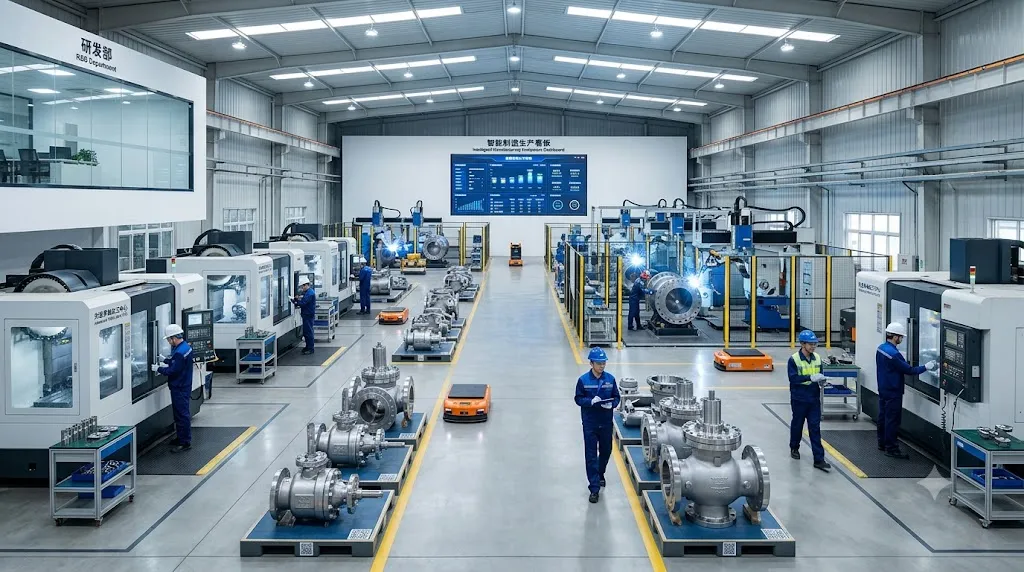
China has become one of the world’s largest manufacturing hubs for industrial valves, supplying products to municipal infrastructure, desalination facilities, power plants, chemical processing and wastewater treatment projects worldwide.
Over the past decade, the industry has evolved significantly.
Leading manufacturers have invested in:
- Intelligent manufacturing systems
- Five-axis CNC machining centres
- Automated welding technologies
- Digital quality inspection
- Pressure and leakage testing laboratories
- Material traceability systems
Many suppliers now manufacture products in accordance with international standards including ISO, API, EN, DIN and ANSI specifications.
As global demand for sustainable water infrastructure continues to grow, Chinese manufacturers are increasingly moving beyond cost competitiveness by focusing on innovation, quality assurance and engineering capability.
For international buyers, selecting the right manufacturing partner means evaluating technical expertise, production consistency and after-sales support—not simply comparing quotations.
Looking Ahead: The Future of Industrial Valves in Water Infrastructure
The next generation of industrial valves will play a far more intelligent role than simply controlling water flow.
Several technology trends are expected to shape the industry over the coming decade.
AI-Powered Diagnostics
Artificial intelligence is enabling operators to analyse vibration, torque, pressure and operating cycles in real time.
Rather than responding to failures after they occur, utilities can identify anomalies early and schedule maintenance before equipment performance deteriorates.
Digital Twins
Digital twin technology is allowing utilities to simulate valve behaviour throughout an entire water network.
By combining operational data with virtual models, engineers can optimise system performance, reduce energy consumption and improve maintenance planning.
Sustainability and Carbon Reduction
Energy efficiency has become a strategic objective for water utilities worldwide.
High-performance valves with optimised flow paths can reduce pressure losses, lowering pumping energy requirements and contributing to lower operational carbon emissions.
Lifecycle thinking is increasingly replacing lowest-price procurement.
Smart Water Networks
Future water systems will rely on connected infrastructure.
Industrial valves equipped with intelligent actuators, wireless communication and cloud-based monitoring will become key components of smart water networks.
Integrated with SCADA and Industrial IoT platforms, these assets will support:
- Real-time system optimisation
- Automatic leak detection
- Predictive maintenance
- Remote operation
- Improved asset management
As digital transformation accelerates, valves are evolving from passive mechanical equipment into intelligent data-generating assets.
Final Thoughts
Across the global water industry, industrial valves are no longer viewed as simple mechanical products.
They have become essential components supporting drinking water safety, operational efficiency, digital transformation and long-term infrastructure resilience.
The evolution of regulations such as the EU Drinking Water Directive demonstrates a broader industry trend: greater emphasis on material safety, lifecycle performance and sustainable asset management.
Manufacturers that invest in advanced engineering, digital technologies and internationally recognised quality standards will be well positioned to support the next generation of municipal and industrial water projects.
For buyers, selecting the right valve is no longer just a purchasing decision—it is an investment in the long-term reliability, efficiency and sustainability of critical water infrastructure.
Frequently Asked Questions
What types of industrial valves are commonly used in water treatment?
Common valve types include butterfly valves, gate valves, ball valves, globe valves, check valves and diaphragm valves. Each serves a different purpose, from isolation and flow regulation to backflow prevention and pressure control.
Why is material selection important for drinking water valves?
Valve materials remain in continuous contact with potable water. Selecting corrosion-resistant and hygienic materials helps maintain water quality, extends equipment life and supports compliance with applicable drinking water regulations.
How do smart valves reduce operating costs?
Smart valves continuously monitor operating conditions and transmit performance data to control systems. This enables predictive maintenance, reduces unexpected failures, minimises downtime and improves overall operational efficiency.
Are automated valves replacing manual valves?
Not entirely. Manual valves remain suitable for many applications. However, electric and pneumatic actuated valves are increasingly preferred in large municipal and industrial facilities where remote monitoring and automated control improve operational efficiency.
What should buyers consider when choosing an industrial valve supplier?
Beyond product pricing, buyers should evaluate engineering expertise, manufacturing capability, quality certifications, technical support, material traceability, testing capability and the supplier’s experience in water and wastewater applications.
How is digitalisation changing valve technology?
Digital technologies such as Industrial IoT, smart actuators, cloud monitoring and AI-based diagnostics are transforming valves into connected assets capable of supporting predictive maintenance, remote operation and intelligent asset management.
Authoritative Resources
For readers interested in learning more about drinking water standards and global water infrastructure, the following organisations provide valuable technical guidance:
- European Commission – Drinking Water Directive
- International Water Association (IWA)
- American Water Works Association (AWWA)
- Water Environment Federation (WEF)
- Valve Manufacturers Association (VMA)
- ISO – International Organization for Standardization
Discover More at FLOWTECH CHINA
As the global water industry continues to evolve, staying informed about the latest valve technologies, automation solutions and manufacturing innovations is more important than ever.
Whether you are sourcing industrial valves, exploring smart water technologies or seeking reliable engineering partners, FLOWTECH CHINA provides a platform to connect with leading manufacturers, solution providers and industry experts shaping the future of water and wastewater infrastructure.

