






Introduction
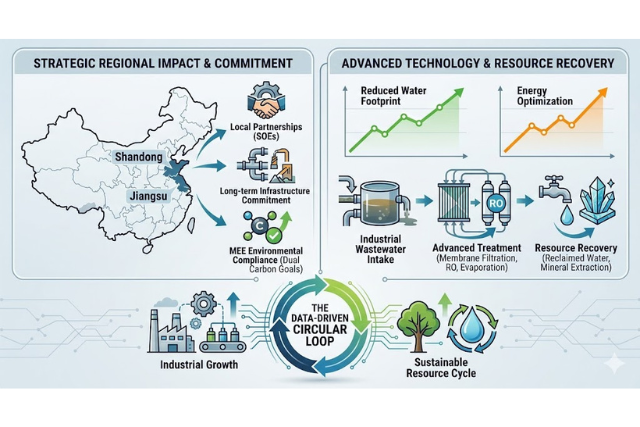
The global landscape of Sustainable Water Infrastructure is shifting rapidly as sustainability becomes a non-negotiable pillar of corporate growth. Recently, SUEZ, a global leader in The Circular Economy for water and waste, reaffirmed its long-term commitment to China through a series of groundbreaking collaborative initiatives in Jiangsu and Shandong provinces. This expansion is not merely a corporate milestone; it represents a strategic alignment with China’s rigorous environmental goals and the growing demand for advanced wastewater treatment and resource recovery.
By leveraging decades of expertise, SUEZ is integrating cutting-edge digital water solutions and circular economy principles into some of China’s most vital industrial hubs. In this article, we dive deep into the technical and strategic nuances of these new projects, exploring how they set a new benchmark for industrial sustainability and what these developments mean for the future of the water technology sector in Asia. Whether you are a utility manager or an environmental engineer, understanding these initiatives is key to navigating the future of smart water management.
The Strategic Vision of SUEZ in the Chinese Market
SUEZ’s latest moves in Jiangsu and Shandong are part of a broader “Greater China” strategy that prioritizes localized expertise and high-tech environmental infrastructure. As China transitions toward a “dual carbon” goal, international players like SUEZ are evolving from simple service providers to essential strategic partners in ISO 14000 and circular economy development.
Deep Dive: The New Projects in Jiangsu Province
Jiangsu has long been a powerhouse for chemical and high-tech manufacturing. SUEZ’s new initiatives here focus on enhancing the efficiency of industrial wastewater treatment plants, ensuring that high-salinity and complex chemical runoff are treated with membrane filtration technologies that exceed local discharge standards. These projects serve as a blueprint for sustainable industrial parks.
Expanding Footprints in Shandong: A Focus on Resource Recovery
In Shandong, the focus shifts toward the integration of water and waste cycles. By implementing advanced desalination and water reuse systems, SUEZ is helping local municipalities and industries mitigate water scarcity. This regional focus highlights the importance of decentralized water treatment in areas where traditional water sources are under stress.
Key Pillars of SUEZ’s Long-Term Commitment
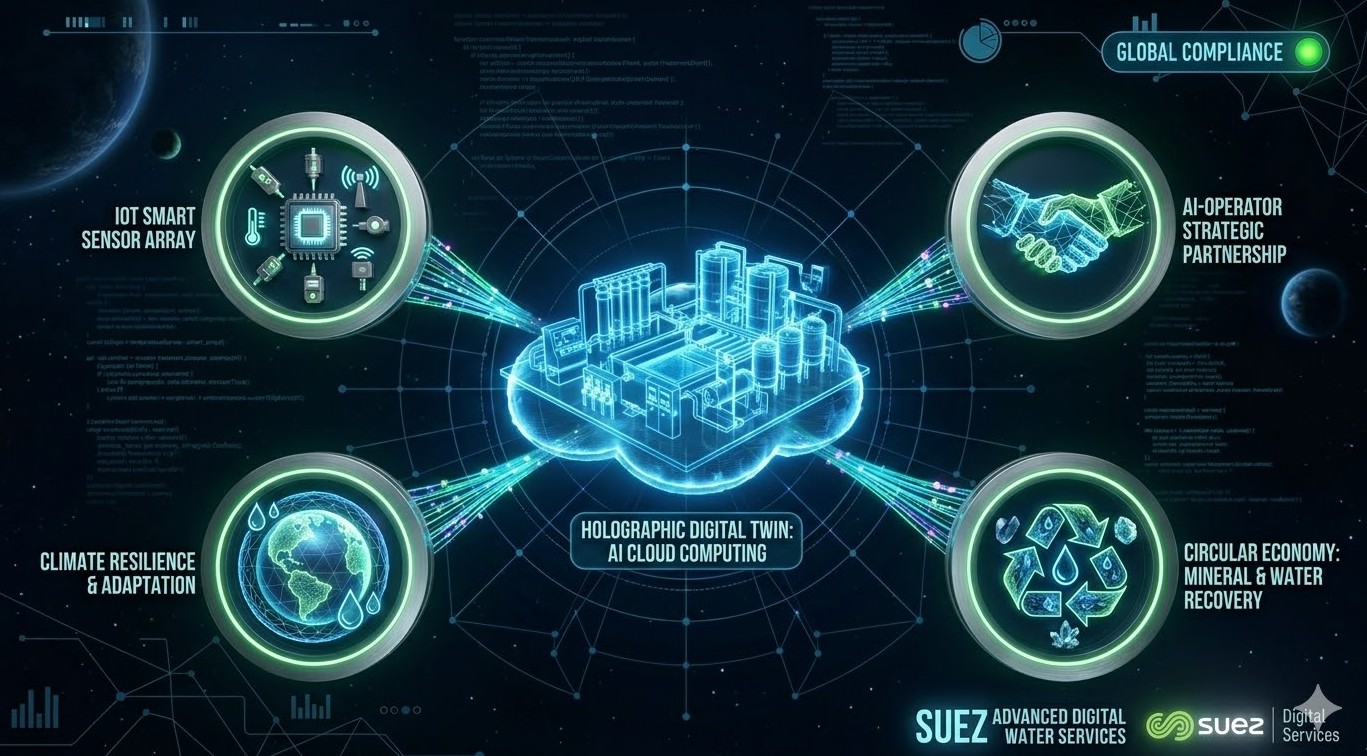
- Technological Innovation: Deployment of proprietary smart water sensors and AI-driven monitoring systems.
- Local Partnerships: Strengthening ties with provincial governments and local state-owned enterprises (SOEs).
- Circular Economy: Shifting from disposal to the recovery of valuable minerals from wastewater.
- Climate Resilience: Building infrastructure capable of handling the volatile water patterns caused by climate change.
Integrating Digital Water Solutions for Industrial Excellence
A core component of the new initiatives is the use of digital twins to simulate water flow and treatment efficacy. This allows for real-time adjustments, significantly reducing energy consumption—a critical factor for companies aiming for carbon neutrality in water.
Case Study: Innovation in High-Salinity Wastewater Treatment
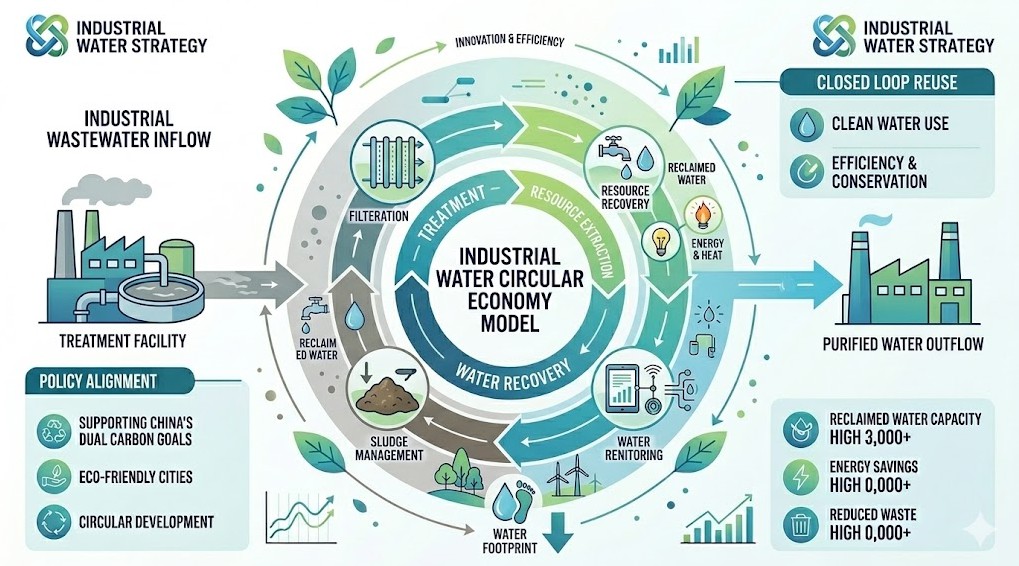
The Shandong projects specifically address the challenges of high-salinity water. Using reverse osmosis (RO) and specialized evaporation technologies, SUEZ is able to turn “waste” into a high-purity water source for cooling and processing.
The Role of Circular Economy in SUEZ’s China Strategy
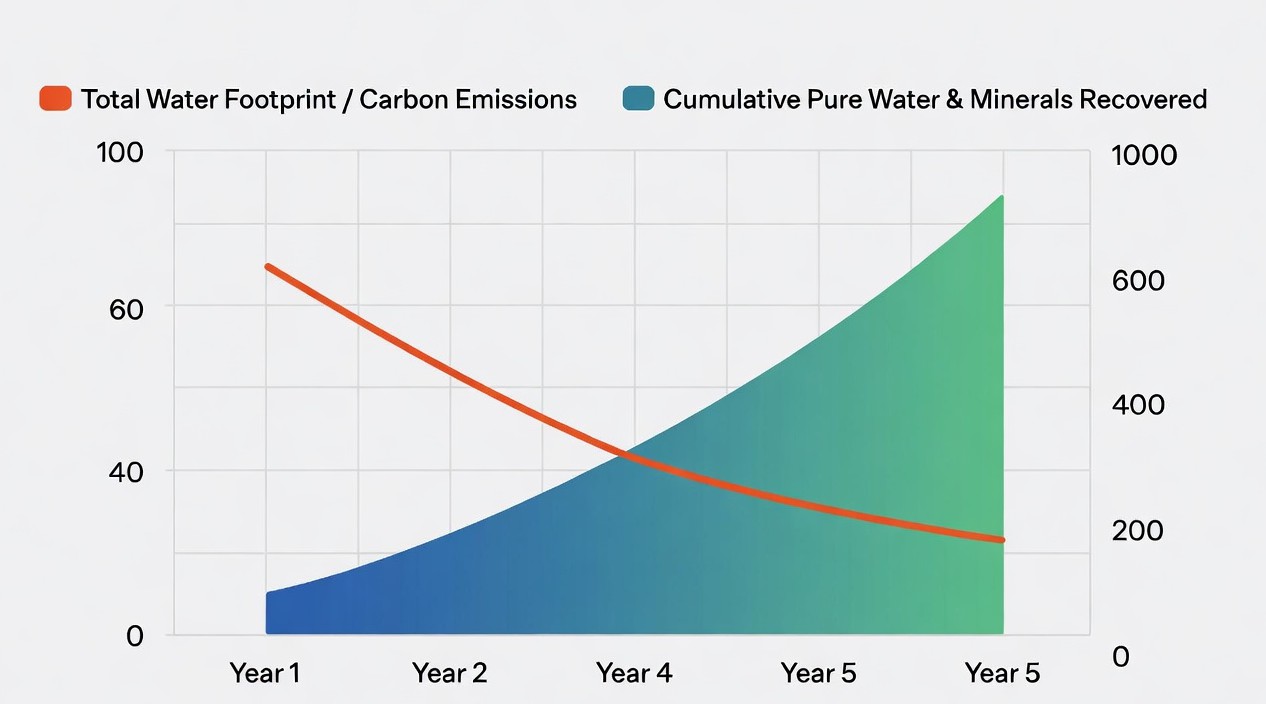
SUEZ isn’t just treating water; they are harvesting it. The new initiatives emphasize resource recovery, where treated effluent is recycled back into the industrial cycle, reducing the “water footprint” of the entire province.
Navigating Environmental Compliance in China’s Industrial Hubs
With the “Blue Sky” and “Clear Water” actions, regulatory pressure in China is at an all-time high. SUEZ’s presence provides a layer of regulatory security for local industries, ensuring that all processes meet or exceed the MINISTRY OF ECOLOGY AND ENVIRONMENT THE PEOPLE’S REPUBLIC OF CHINA standards.
SUEZ and the Future of Smart Water Management
By connecting traditional physical assets with cloud-based analytics, SUEZ is pioneering Autonomous Water Operations. This reduces human error and optimizes chemical dosing, leading to lower operational costs for water utility managers.
Synergies Between Water and Waste Management
The Jiangsu expansion often sees SUEZ managing both the water intake and the solid waste output of industrial zones. This holistic approach is the hallmark of modern AAEES.
Impacts on the Local Water Technology Supply Chain
The entry of advanced SUEZ technologies stimulates the local supply chain, encouraging domestic manufacturers to improve the quality of pumps, valves, and sensors to meet international AWWA Standards.
SUEZ’s Contribution to China’s Dual Carbon Goals
By optimizing pumps and utilizing The Benefits of Anaerobic Digestion from sludge treatment, SUEZ is directly contributing to the reduction of Scope 1 and Scope 2 emissions for their Chinese partners.
Challenges and Solutions in Regional Water Expansion
Expanding in diverse provinces like Jiangsu and Shandong requires localized engineering. SUEZ overcomes this through its R&D centers in Shanghai, which tailor global tech to local water chemistry.

