







Introduction
As global freshwater scarcity reaches a critical tipping point, seawater desalination has transitioned from a high-cost alternative to a pillar of national water security. In 2025, China is not only scaling its capacity but re-engineering the industry through renewable integration. This article explores how China is leveraging solar desalination and green hydrogen to redefine global standards—technologies that will be showcased at WATERTECH CHINA.
The Strategic Role of Desalination in China’s Water Security
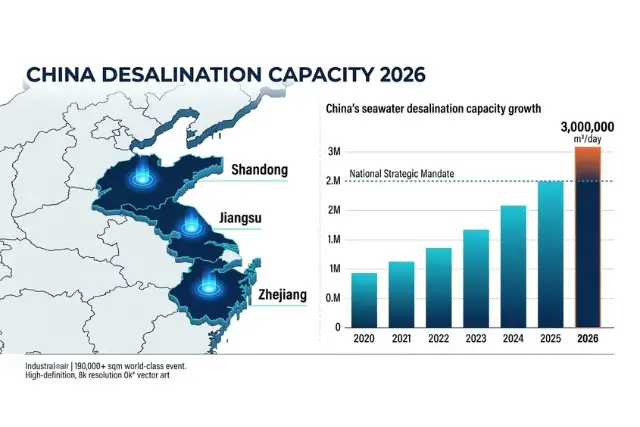
For a nation with only 7% of the world’s freshwater, water security is a critical strategic survival priority. Under the China 14th Five-Year Plan for Seawater Utilization, the government is shifting focus toward large-scale industrial water self-sufficiency. In 2025, coastal provinces like Shandong are now processing over 3 million cubic meters/day, insulating high-density industrial hubs from drought.
Technological Breakouts: From SWRO to Nano-Membranes
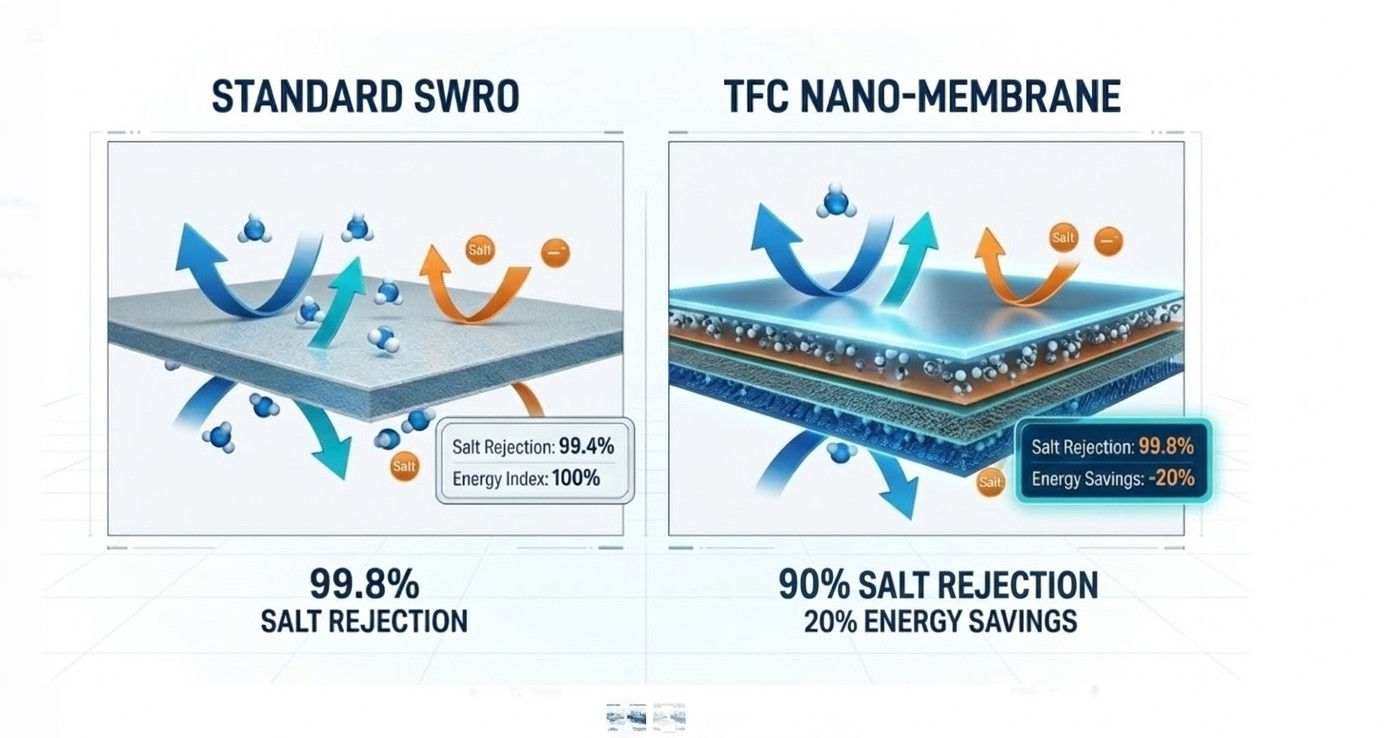
While Seawater Reverse Osmosis (SWRO) remains the dominant process, 2025 marks the rise of Next-Generation Membranes.
- TFC Membranes: Nanofilled thin-film composite membranes are now achieving 99.8% salt rejection while lowering energy consumption, a trend also highlighted in the latest Global Water Intelligence (GWI) reports.
- Ceramic Membranes: Exhibitors at WATERTECH CHINA are introducing highly durable ceramic membranes designed for harsh chemical environments.
Solar Desalination: The Green Transition
A significant trend in 2025 is the decoupling of water production from the power grid. Solar desalination projects, particularly floating offshore PV-desalination hubs, are providing fresh water to remote island clusters. According to the International Desalination Association (IDA), these carbon-neutral systems are the future of sustainable municipal supply.
The Synergy Between Desalination and Green Hydrogen
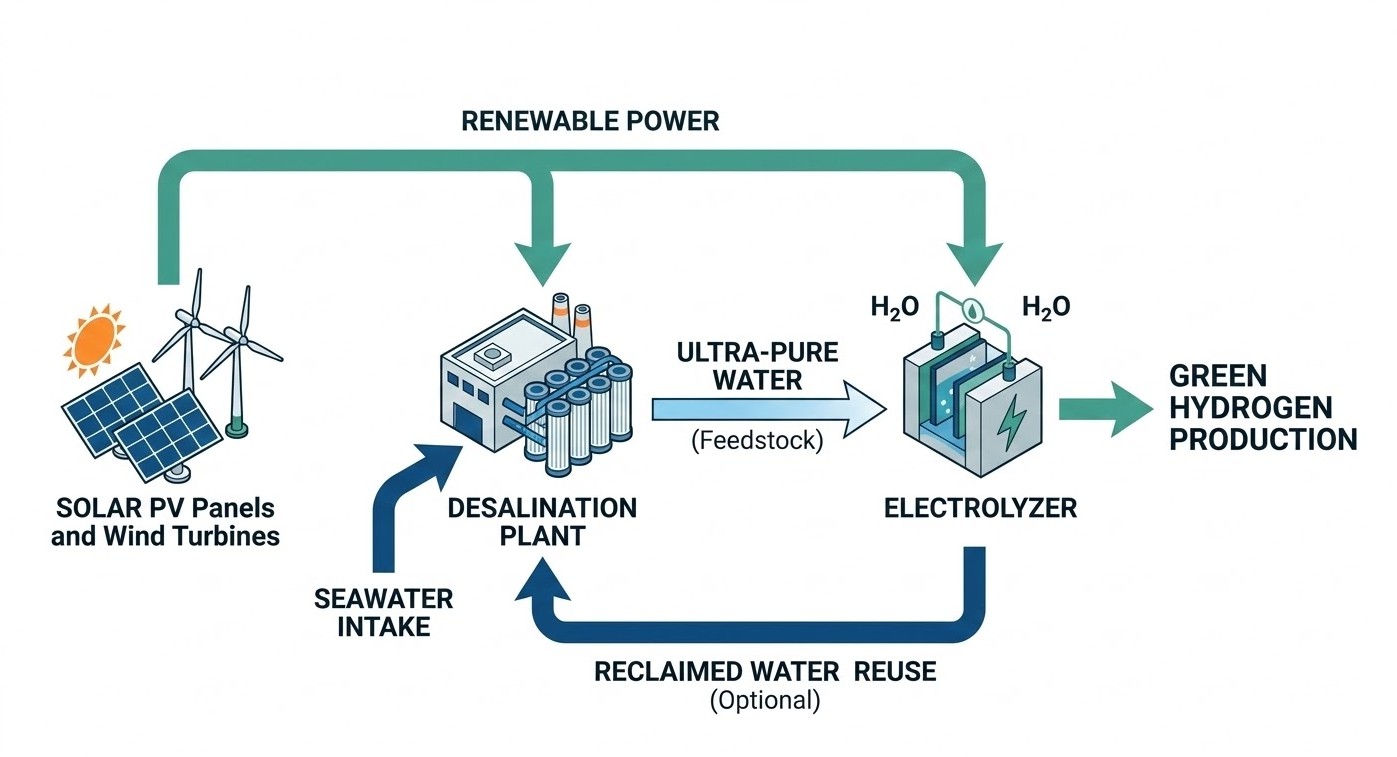
You cannot have green hydrogen without high-purity water. Producing 1kg of hydrogen requires approximately 9-10 liters of ultra-pure water. China is now building integrated “Hydrogen-Desalination Plants” where desalinated water serves as the direct feedstock for electrolysis, creating a circular energy-water economy.
ROI for Industrial Buyers: Cutting Landed Costs
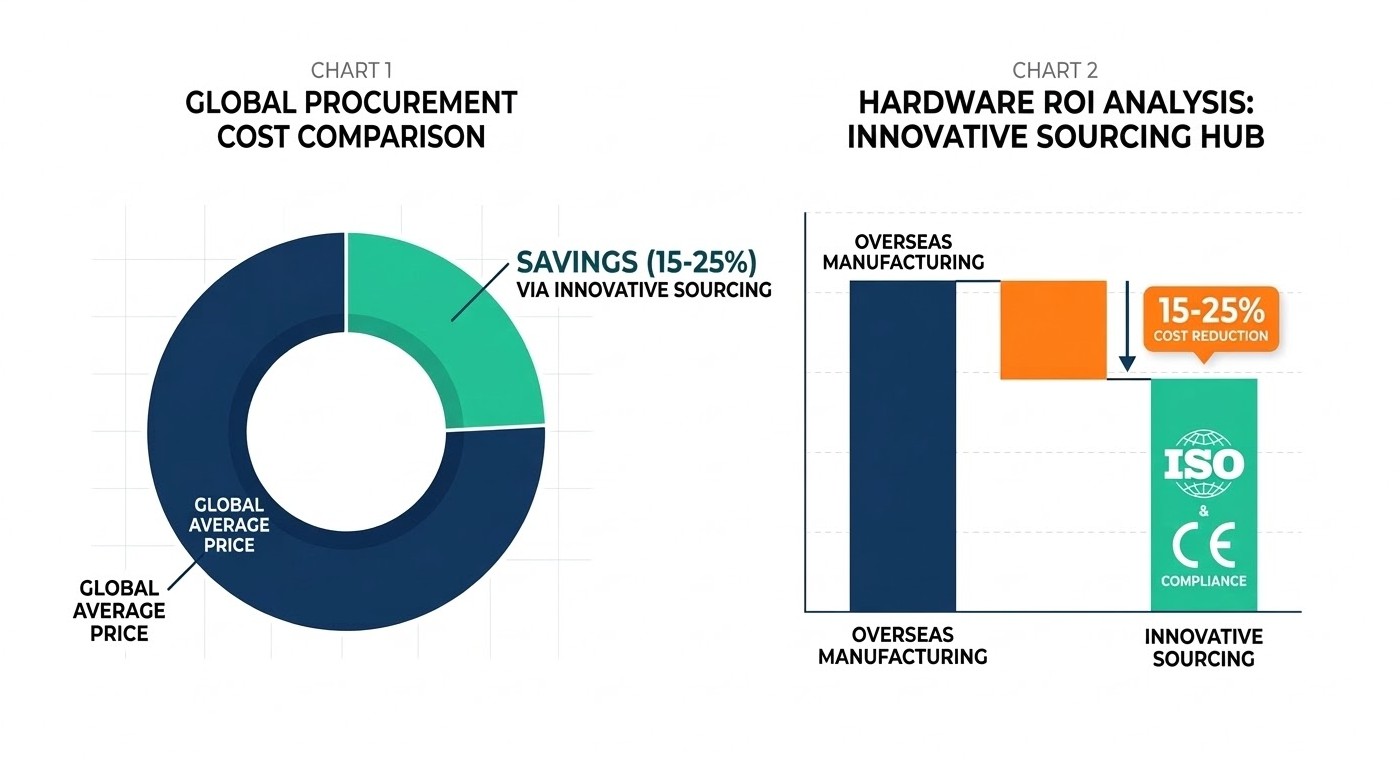
For global procurement managers, the Global OEM/ODM Nexus in Shanghai is the primary destination. Sourcing desalination hardware (High-pressure pumps, ERDs, and pressure vessels) from China in 2025 allows firms to cut landed costs by 15-25% while maintaining compliance with international standards like ISO and CE.
Quick Takeaways for 2025
- Scale: China’s capacity surge aims for 3M m³/day.
- Innovation: Focus on low-energy SWRO and ZLD (Zero Liquid Discharge).
- Events: WATERTECH CHINA is the epicenter for sourcing these innovations.
Frequently Asked Questions (FAQs)
- Q: What is the cost of seawater desalination in China in 2025?
A: With optimized SWRO, the cost has dropped to approx. 4.5 – 5.5 RMB/m³. - Q: Will solar desalination be showcased at the 18th Shanghai International Water Show?
A: Yes, there is a dedicated zone for renewable-integrated water solutions.
Witness the Future at WATERTECH CHINA
The advancements in seawater desalination we see today are just the beginning. To stay competitive, water professionals must engage with the world’s most robust supply chain. We invite you to join 100,000+ peers at the National Exhibition and Convention Center (NECC) in Shanghai.

