How China Kept Its Water Consumption Flat While the Economy Grew
China’s 2025 water consumption plateau reflects strict efficiency policies, water-saving technology, and nationwide behavioral change.






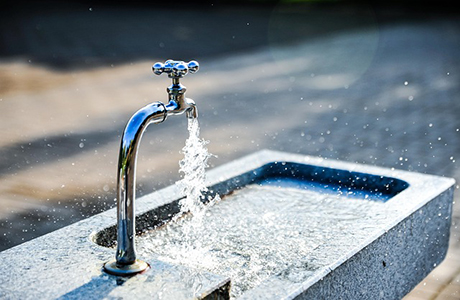
China’s 2025 water consumption plateau reflects strict efficiency policies, water-saving technology, and nationwide behavioral change.
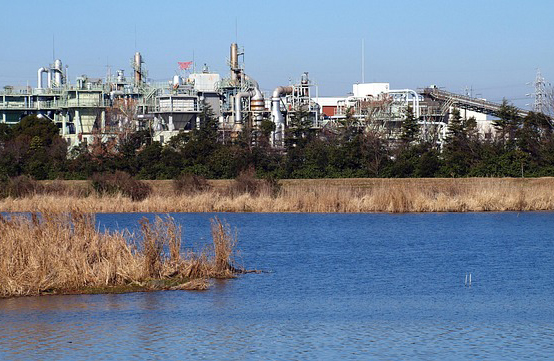
Water reuse in 2025 is reshaping how Europe tackles climate and water scarcity, driving a shift toward a smarter, circular water economy.

Europe water crisis deepens as groundwater depletion and water reuse in Europe reshape how the continent fights scarcity and secures its future.
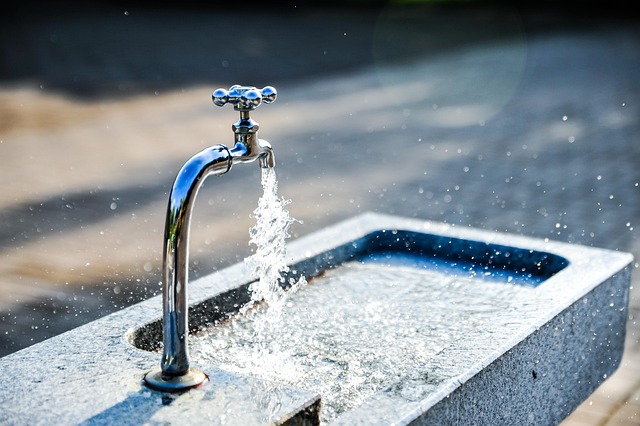
Europe’s 2025 Water Resilience Strategy tackles scarcity, pollution, and infrastructure challenges to secure a sustainable, climate-resilient water future.
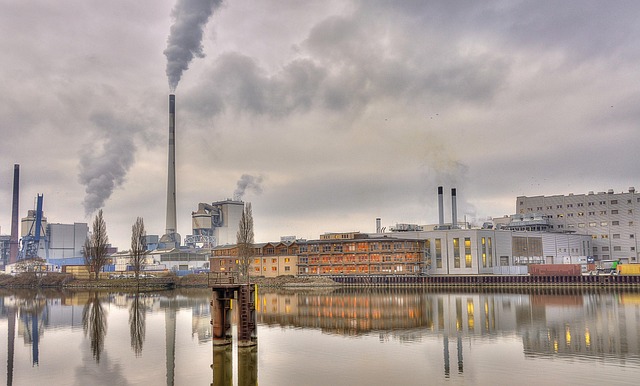
EU PFAS Restrictions in 2025 are reshaping water, energy, and transport sectors. Learn how regulations and new technologies tackle forever chemicals.

PFAS regulation is reshaping the water industry worldwide. From EPA’s 4 ppt limits to supercritical water oxidation breakthroughs, discover how utilities and innovators are racing to remove and destroy forever chemicals for good.
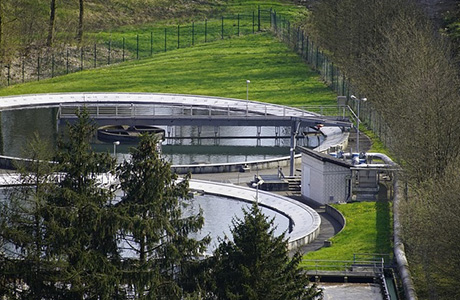
Water reuse is transforming how cities survive droughts and climate stress. Learn how technology, policy, and public trust shape the future of sustainable urban water.

Mechanical-energy-driven catalysts break down PFAS in water efficiently, offering a sustainable, energy-saving solution to persistent chemical contamination.

Explore how electrochemical water treatment destroys stubborn pollutants like PFAS, offering a sustainable, energy-efficient solution for modern wastewater challenges.

Table of Contents Industrial water plays a crucial role in the modern industrial system. It is a fundamental element for the smooth operation of industrial production, and almost all stages of a product—from raw materials to processing and shaping—cannot proceed without water. Generally speaking, industrial water includes not only water used in the production process
