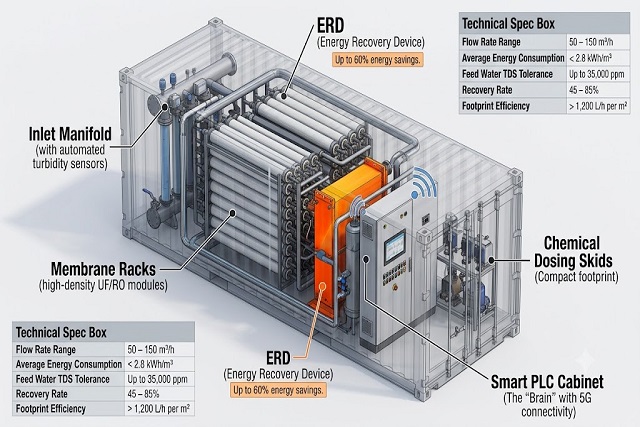
The Global Blueprint for Agile Water Infrastructure: A Strategic Guide to Mobile Treatment Solutions
A strategic guide to modular and mobile water treatment for emergencies, industrial projects and decentralized applications.





A strategic guide to modular and mobile water treatment for emergencies, industrial projects and decentralized applications.
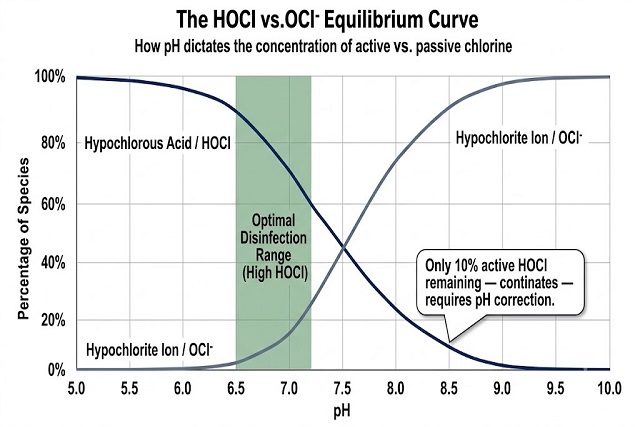
An overview of industrial chlorination systems, safety controls, dosing strategies and disinfection applications across water operations.
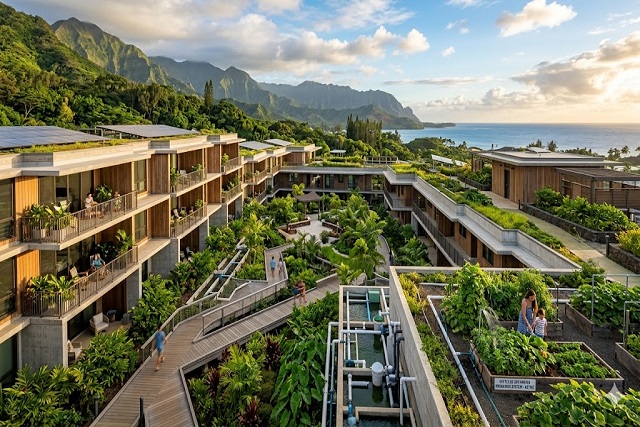
A look at Hawaii’s greywater reuse approach and what it teaches about decentralized water reuse, regulation and resource recovery.
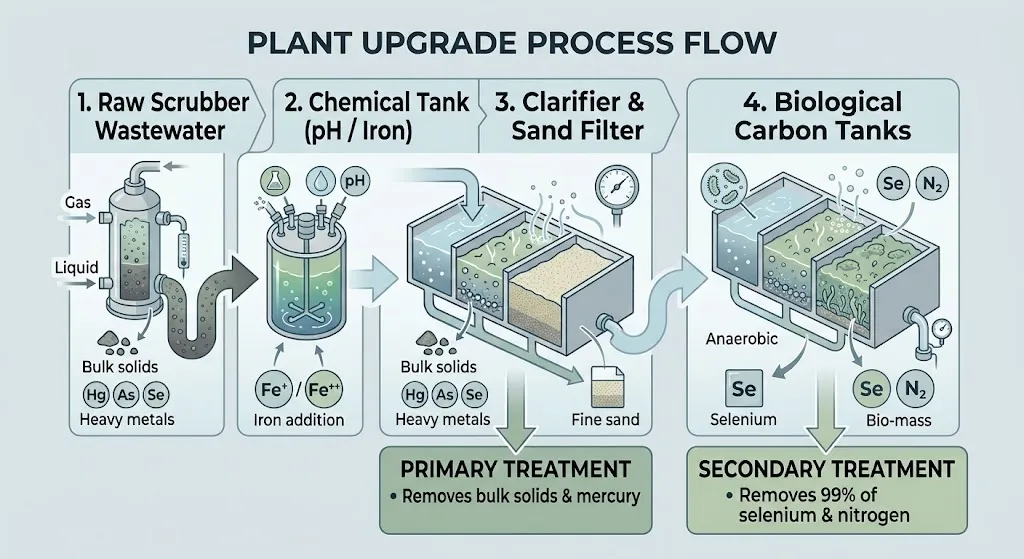
Power plant wastewater can contain complex contaminants that require careful treatment before discharge or reuse. This article examines heavy-metal removal, treatment strategies and the growing compliance pressures shaping wastewater management across power generation facilities.
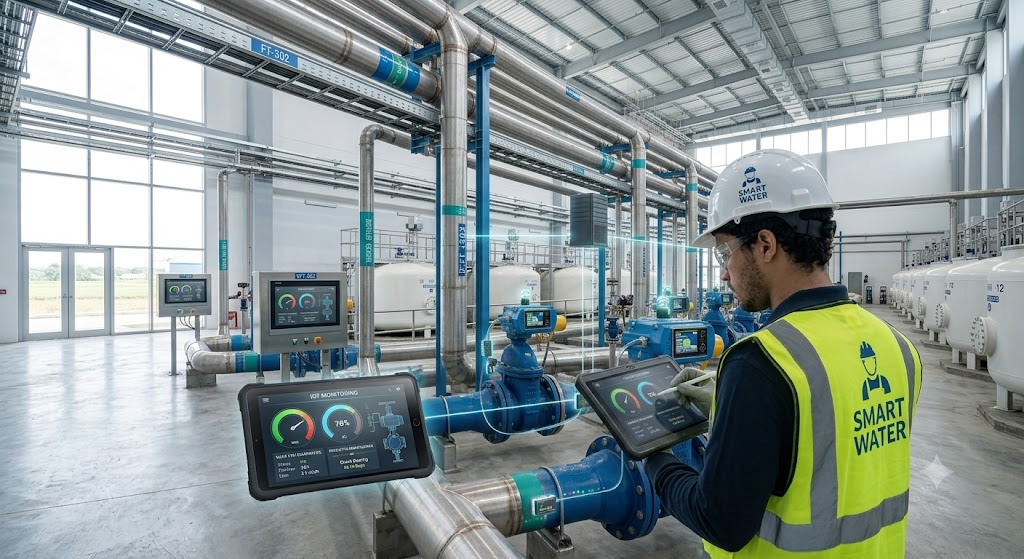
Smart valves are reshaping modern water networks through connected monitoring, automation and data-driven control. This article explores how intelligent valve technologies can support more responsive operations, predictive maintenance and improved management of water infrastructure.
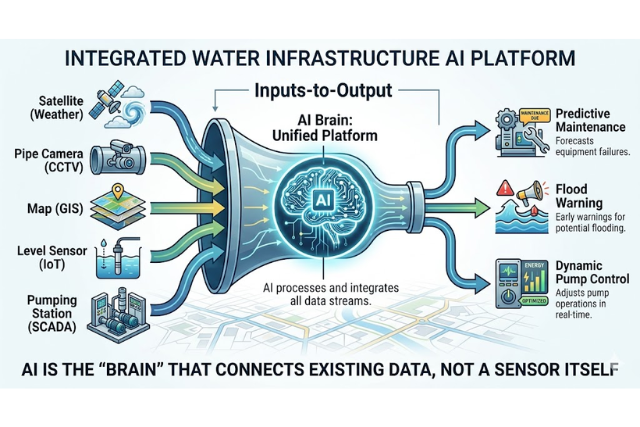
Extreme rainfall is overwhelming legacy sewer networks. Instead of immediately building expensive new tunnels, water utilities are applying artificial intelligence to stop spills, predict floods, and maximize the capacity of their existing underground pipes.
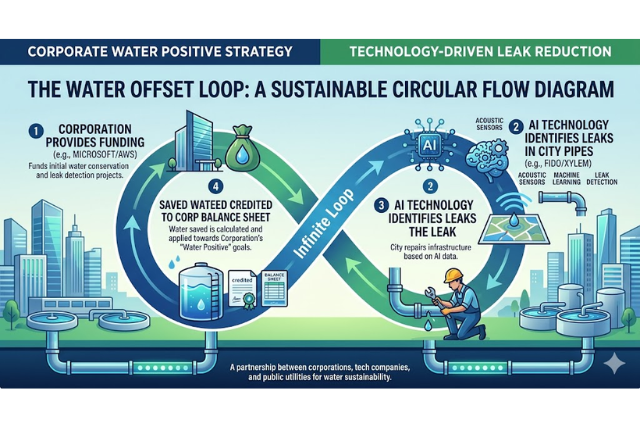
Water utilities lose billions of gallons of clean water through aging pipes every year. Instead of waiting for visible breaks, operators now use artificial intelligence to locate hidden leaks and predict network failures early.
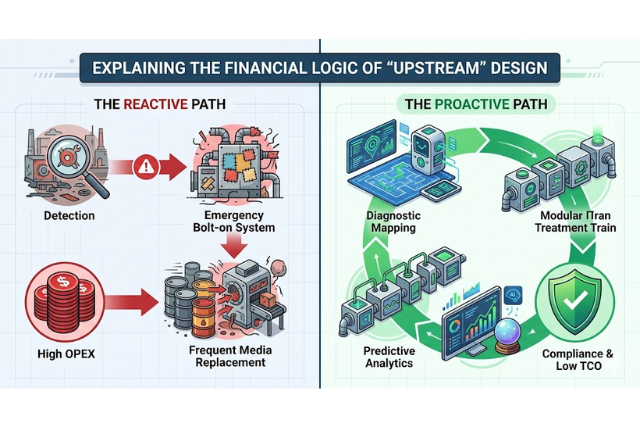
As global regulatory bodies—ranging from the US EPA to the European Chemicals Agency (ECHA)—tighten the noose on Per- and Polyfluoroalkyl Substances (PFAS), municipal water authorities find themselves at a critical crossroads.
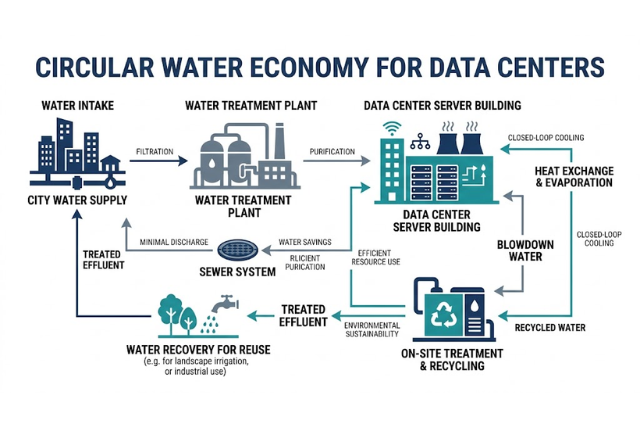
The global explosion of artificial intelligence (AI) and cloud computing has created an insatiable demand for data processing. However, this digital boom comes with a significant environmental price tag: heat.
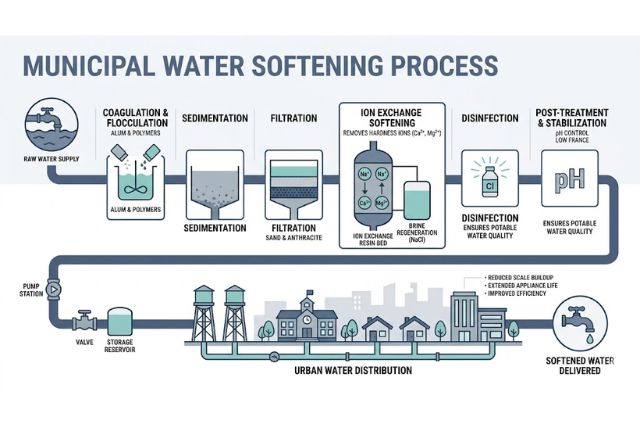
When you turn on a tap in a modern city, you expect safe, clean water. However, beneath the surface of our streets lies a silent, creeping threat to urban infrastructure: hard water.
