Water reuse in 2025 is reshaping how Europe tackles climate and water scarcity, driving a shift toward a smarter, circular water economy.
Home / Industry News / Page 5

Water reuse in 2025 is reshaping how Europe tackles climate and water scarcity, driving a shift toward a smarter, circular water economy.

Europe water crisis deepens as groundwater depletion and water reuse in Europe reshape how the continent fights scarcity and secures its future.
Europe’s 2025 Water Resilience Strategy tackles scarcity, pollution, and infrastructure challenges to secure a sustainable, climate-resilient water future.
EU PFAS Restrictions in 2025 are reshaping water, energy, and transport sectors. Learn how regulations and new technologies tackle forever chemicals.
PFAS regulation is reshaping the water industry worldwide. From EPA’s 4 ppt limits to supercritical water oxidation breakthroughs, discover how utilities and innovators are racing to remove and destroy forever chemicals for good.
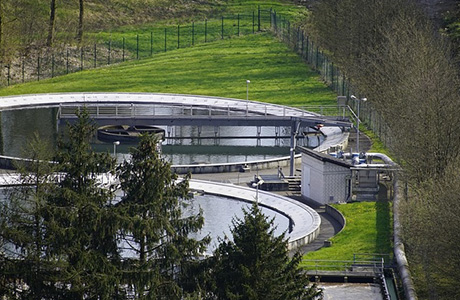
Water reuse is transforming how cities survive droughts and climate stress. Learn how technology, policy, and public trust shape the future of sustainable urban water.

Mechanical-energy-driven catalysts break down PFAS in water efficiently, offering a sustainable, energy-saving solution to persistent chemical contamination.

Explore how electrochemical water treatment destroys stubborn pollutants like PFAS, offering a sustainable, energy-efficient solution for modern wastewater challenges.

Table of Contents Industrial water plays a crucial role in the modern industrial system. It is a fundamental element for the smooth operation of industrial production, and almost all stages of a product—from raw materials to processing and shaping—cannot proceed without water. Generally speaking, industrial water includes not only water used in the production process but also domestic water for employees within the factory area. This paper will analyze the classification, water quality and pretreatment requirements of industrial water use, discuss the corresponding pollution control technologies and recycling approaches, and provide references for enterprises to seek better industrial water services. Why Should We Understand Industrial Water Use? Industrial water projects are not only related to the quality and efficiency of industrial production, but also closely linked to environmental protection and the sustainable use of resources. The United Nations World Water Development Report 2024: Water for Prosperity and Peace points out that issues related to water availability and water quality pose risks to industry, which may lead to supply chain disruptions. This directly affects the development of industry (and the economy). Reducing water demand and harmful wastewater discharge can achieve a win-win situation in water resource protection and water pollution control. As the traditional water resource development model has approached the ecological red line, the reclaimed water reuse industry has quietly emerged. It has become an important supplement to the industrial water system and promotes the transformation of industrial water use from linear consumption to a closed-loop cycle. Through advanced water treatment technologies, wastewater is treated to meet the water quality standards for industrial water and then reused in industrial production. This not only greatly eases the pressure of water resource shortage but also significantly reduces the water use costs of industrial enterprises. What is Industrial Water Use? What are Its Classifications?

Table of Contents In 2025, the environmental protection industry is honing its focus on critical ecological and environmental issues, as evident from this year’s Two Sessions discussions. Five recurring topics have commanded sustained attention, encompassing rural sewage treatment, the establishment of green and low-carbon benchmark sewage treatment plants, pathways for achieving low-carbon energy conservation, intensified efforts in atmospheric management, and the persistent challenge of fraud by third-party environmental protection agencies. Rural Domestic Sewage Treatment: Bridging the Gap between Equipment and Operation The topic of rural domestic sewage treatment took center stage once more during this year’s sessions. Huang Miansong, a member of the National Committee of the Chinese People’s Political Consultative Conference and general manager of the Smart Environmental Protection Division of Beijing Capital Environmental Protection Group, advocated for its inclusion in central and provincial ecological environment protection inspections. Despite advancements in municipal water treatment technology, rural sewage management faces multifaceted challenges, with only 31.50% of rural areas benefiting from adequate domestic sewage treatment. Technical complexities, inadequate infrastructure, and funding deficits contribute to operational inefficiencies. Moreover, regulatory ambiguities and a lack of professional management exacerbate the situation. The recently issued “Guiding Opinions on Further Promoting Rural Domestic Wastewater Treatment” underscores the need for tailored approaches adaptable to local conditions and emphasizes the importance of economical and sustainable solutions. This document provides crucial insights into tackling key challenges in rural sewage treatment, paving the way for more effective and comprehensive environmental management strategies. Green Low-Carbon Benchmark Sewage Treatment Plants: A Vital Step in Pollution and Carbon Reduction The construction of green and low-carbon benchmark sewage treatment plants emerged as a significant focus during this year’s sessions. Over the past decade, rapid advancements in sewage treatment have been accompanied by substantial costs, driven by immature technology and a relentless pursuit of outcomes,
Get notified about new articles