


Introduction
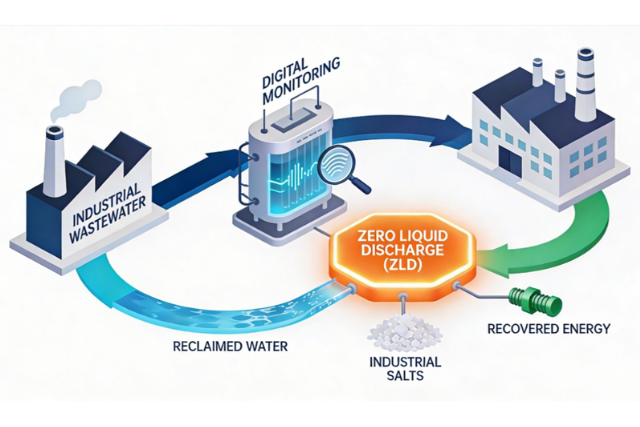
As global water scarcity reaches a critical tipping point and industrial water management becomes a non-negotiable mandate, WATERTECH CHINA has evolved from a back-end utility to a core strategic pillar for corporate survival. In 2026, the industrial sector is shifting from “passive treatment” to “proactive resource recovery.”
This article provides a deep-dive analysis into the classification, digital monitoring, and cutting-edge recycling pathways defining modern industry. Whether you are aiming to slash operational expenses or seeking the latest membrane filtration innovations at WATERTECH CHINA, this guide offers the technical foresight needed to navigate the future of water.
1. Redefining Industrial Water: Strategic Classification
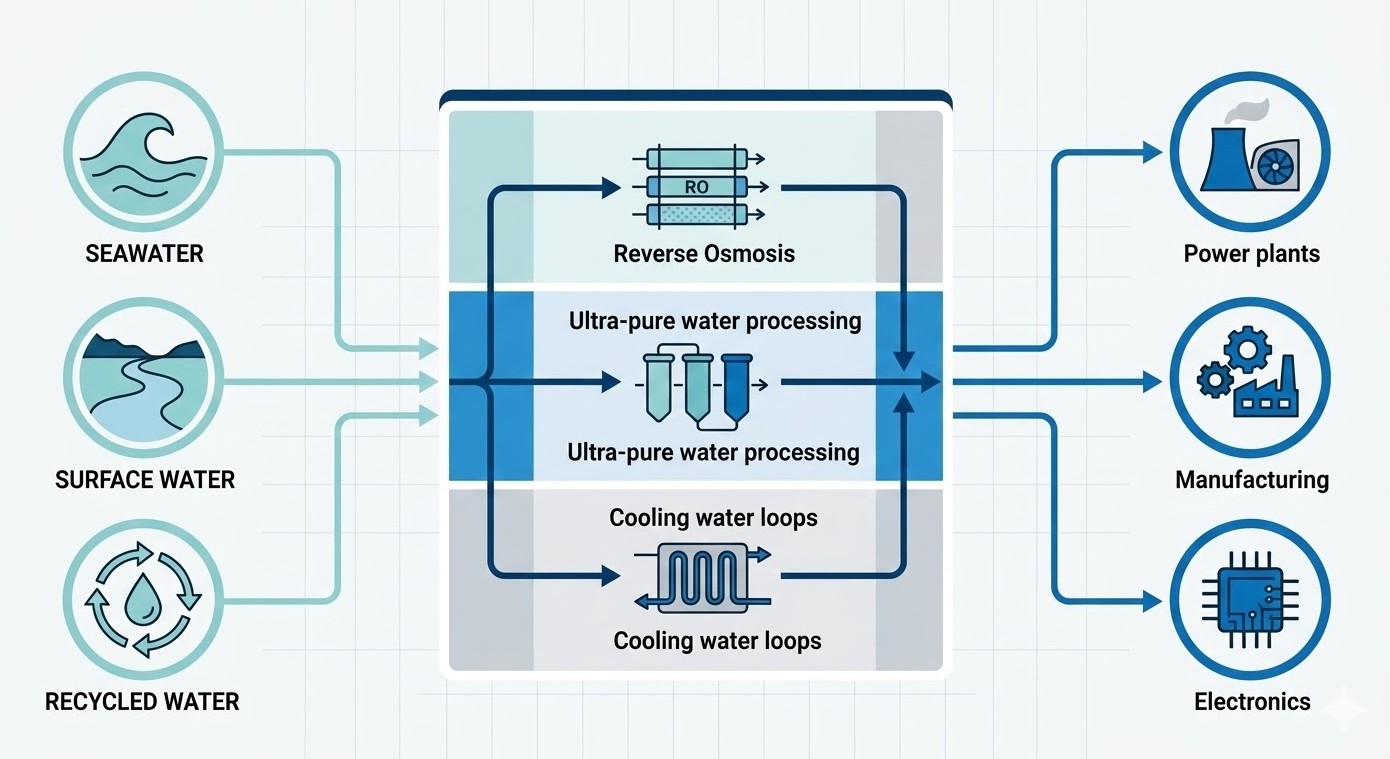
To master industrial water management, one must first categorize water by its specific “identity” and quality requirements. In the 2026 landscape, water is no longer just an intake—it is a circular asset.
- Raw Water Purification: The foundational stage focuses on removing suspended solids and microbes to protect downstream equipment.
- Ultrapure Water (UPW): Essential for the semiconductor and pharmaceutical sectors, where water purity is measured at the “parts per trillion” (PPT) level.
- Circulating Cooling Water: Representing the largest volume of industrial use, managing scaling and corrosion here is vital for ISO 14000 compliance.
2. Digital Eyes: The Rise of Real-Time Monitoring
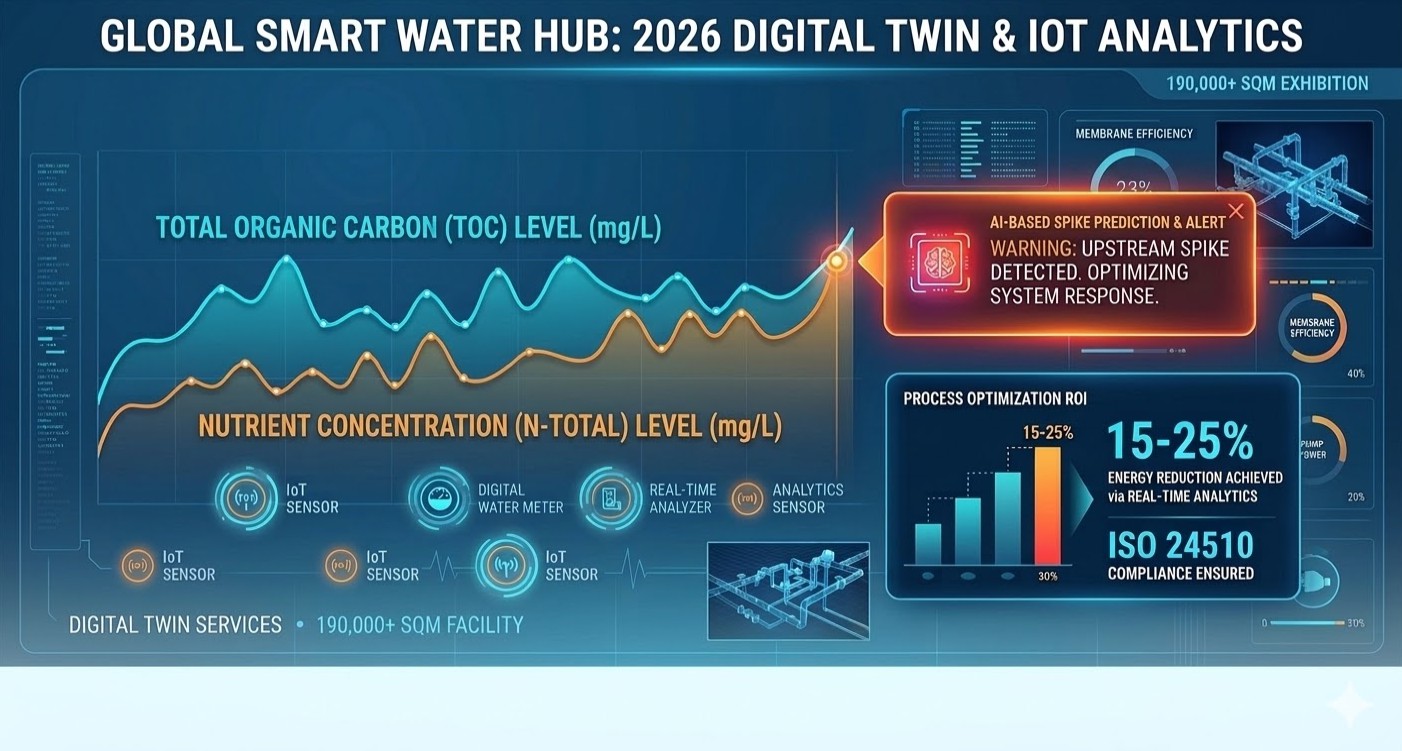
“You cannot manage what you cannot measure.” This proverb is the heartbeat of modern industrial water management. By 2026, IoT sensors and AI-driven analytics have become the industry standard.
According to recent industrial benchmarks, implementing AI-driven operational intelligence can reduce energy consumption by 15-25% and significantly extend asset lifecycles. At WATERTECH CHINA, visitors will witness intelligent probes capable of real-time Chemical Oxygen Demand (COD) and ammonia nitrogen analysis, allowing for predictive alerts before pollution events occur.
3. Core Technologies: The Membrane Revolution
The efficiency of any industrial water management system depends on the synergy of its hardware.
- Physicochemical Treatment: Sedimentation, gravity separation, and advanced electrochemistry remain the bedrock for removing heavy metals and large particles.
- Advanced Membrane Filtration: The combination of Ultrafiltration (UF) and Reverse Osmosis (RO) is now the gold standard for industrial recycling.
- Membrane Bioreactors (MBR): In 2026, modular MBR designs allow factories to expand treatment capacity by over 30% without the need for new civil engineering works.
4. Achieving ZLD: The Final Frontier of Water Reuse
Once considered a costly luxury, Zero Liquid Discharge (ZLD) is now a compliance baseline in many regions due to the Extended Producer Responsibility (EPR) framework.
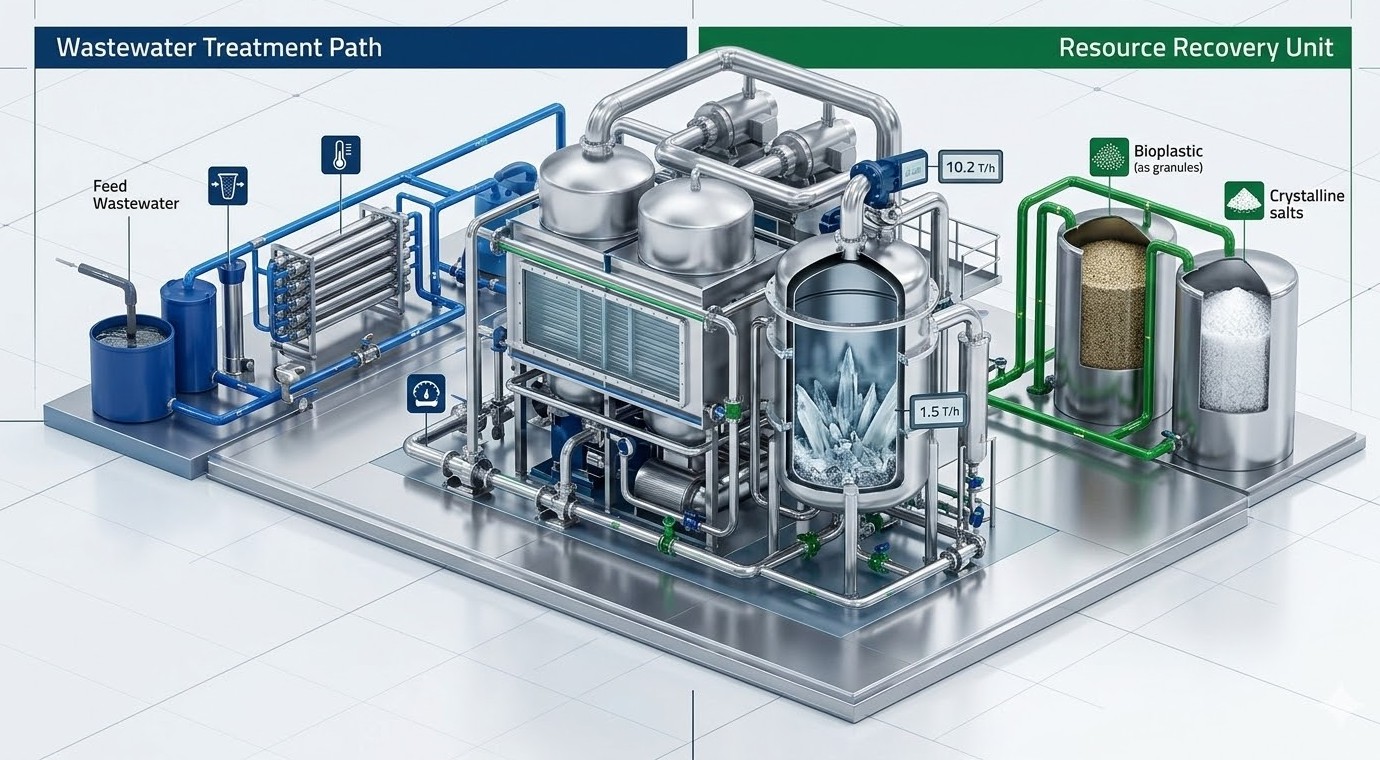
- Evaporative Crystallization: Utilizing Mechanical Vapor Recompression (MVR) to transform wastewater brine into high-purity crystalline salts.
- Resource Recovery: Modern systems act as “biorefineries,” extracting biogas, fertilizers, and even rare metals from wastewater streams. This circularity is the primary driver for improving corporate ESG ratings.
5. Visual Sourcing: Why Global Buyers Choose Shanghai
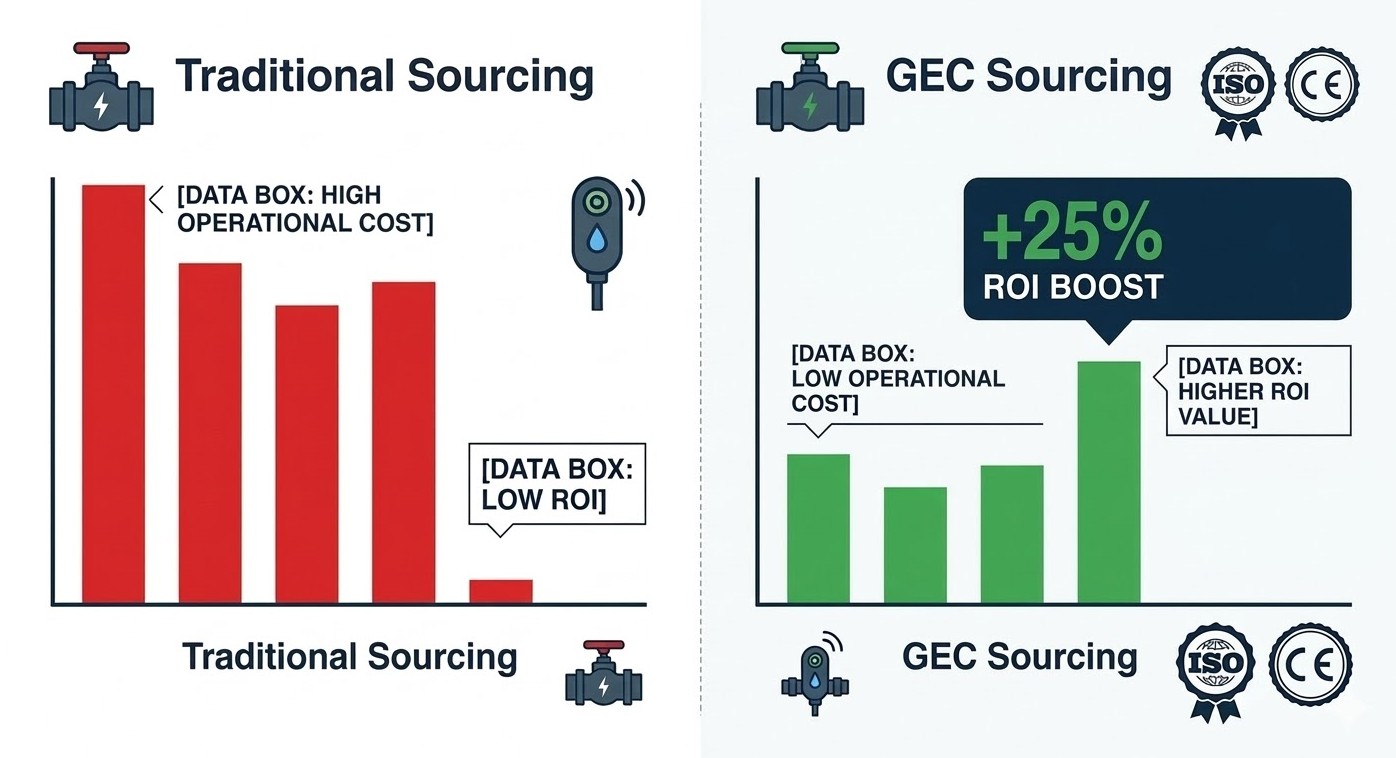
For procurement managers, the Global OEM/ODM Nexus at WATERTECH CHINA offers a unique ROI advantage. Sourcing green hardware from China—such as intelligent valves and high-end sensors—allows firms to cut landed costs by 15-25% while ensuring compliance with ISO 24510 standards.
Quick Takeaways: The 2026 Water Roadmap
- Digitalization: AI and IoT can slash operational energy costs by up to 25%.
- Source Diversification: Seawater desalination and reclaimed water are becoming the “Second Water Source” for industry.
- Resource Mindset: Wastewater plants are shifting from “waste disposal” to “resource recovery centers.”
- Global Hub: WATERTECH CHINA 2026 is the premier platform for sourcing low-carbon water technology.
Frequently Asked Questions (FAQ)
- Q: How can I reduce energy costs in wastewater treatment?
A: Integrating AI-optimized pump groups with variable frequency drives (VFD) and real-time sensor feedback is currently the most effective method. - Q: What is the most sought-after membrane tech in 2026?
A: Nanocomposite membranes with high fouling resistance and modular MBR systems for flexible capacity expansion. - Q: What is the scale of WATERTECH CHINA 2026?
A: The event spans 190,000+ sqm and hosts over 2,500 world-class exhibitors.
Conclusion: Lead the Digital Wave
The future of industrial water management is defined by “Synergy and Transparency.” As environmental regulations tighten globally, enterprises must innovate to maintain their competitive edge.
If you are planning a facility upgrade or seeking to connect with global Smart Water experts, WATERTECH CHINA 2026 is your essential industry destination.
