


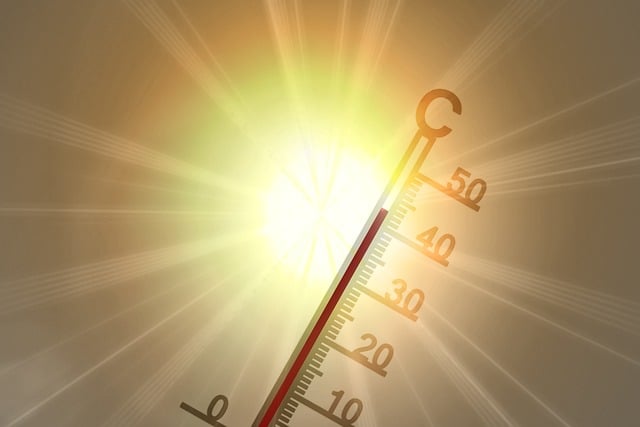
Urban Heat Stress and Climate Adaptation Challenges Facing Global Cities
Rising Urban Heat Stress Driven by Climate Change and Rapid Urbanisation
Cities are heating up faster than the global average. Dense construction, limited vegetation, and heat-absorbing materials amplify rising temperatures, creating urban heat islands that trap warmth long after sunset. Climate change has intensified this effect, pushing summer heat to levels that strain infrastructure, health systems, and energy networks.
Urban climate adaptation has emerged as a central policy concern as heatwaves grow longer, more frequent, and more severe. In many metropolitan areas, extreme heat now poses a greater mortality risk than floods or storms. Heat stress affects productivity, raises cooling demand, and increases the risk of power outages, especially in older districts built without climate resilience in mind.
The challenge is not evenly distributed. Low-income neighborhoods, informal settlements, and areas with limited green space experience higher surface temperatures and fewer resources to cope with extreme heat. This makes urban heat a climate issue deeply intertwined with social equity and sustainable development.
Infrastructure Vulnerability and Energy Demand under Extreme Heat Conditions
Heat stress exposes weaknesses in urban infrastructure. Roads buckle, rail lines warp, and power systems face peak demand from air conditioning during the hottest hours. Water systems also come under pressure as consumption rises while supply reliability declines under drought conditions.
Electricity demand spikes during heatwaves can overwhelm grids, increasing blackout risks just when cooling is most needed. In cities with aging infrastructure, this creates cascading failures that affect healthcare, transport, and emergency response.
Urban climate adaptation strategies increasingly focus on reducing heat exposure rather than simply responding to its consequences. Managing heat at the city scale requires coordinated planning across land use, energy, water, and public health systems.
Why Heat Resilience and Urban Climate Adaptation are Becoming Planning Priorities
Heat Resilience Integrated into Urban Climate Adaptation Policy Frameworks
Heat resilience has moved from a niche concern to a central pillar of urban climate adaptation. Cities are beginning to treat heat as a predictable, recurring risk rather than an occasional emergency. This shift is reflected in new climate action plans, zoning regulations, and infrastructure investment strategies.
Urban planners are incorporating heat risk mapping into development decisions, using temperature data and climate projections to guide building codes and land-use planning. Some cities now require heat mitigation measures for new developments, including reflective surfaces, shading, and green coverage.
This integration marks a broader evolution in climate adaptation policy. Rather than relying on emergency responses, cities are embedding resilience into long-term urban design, recognizing that adaptation is an ongoing process rather than a one-time fix.
Public Health Impacts Drive Urgency for Urban Heat Adaptation Measures
Extreme heat is a public health crisis. Heat-related illness disproportionately affects older adults, outdoor workers, children, and people with chronic conditions. Hospitals often see spikes in admissions during heatwaves, while mortality rates increase quietly and unevenly across neighborhoods.
Urban climate adaptation strategies increasingly prioritize heat-health action plans. These include early warning systems, cooling centers, public communication campaigns, and targeted outreach to vulnerable populations.
By framing heat resilience as a public health issue, cities gain political momentum for adaptation investments. Protecting residents from heat becomes not just an environmental goal, but a core responsibility of urban governance.
How Green Infrastructure and Nature-based Solutions Reduce Urban Heat Risk
Urban Green Infrastructure Cools Cities and Supports Climate Adaptation
Green infrastructure has emerged as one of the most effective tools for reducing urban heat. Trees, parks, green roofs, and urban wetlands lower surface temperatures through shade and evapotranspiration, often reducing local temperatures by several degrees.
Unlike mechanical cooling, green infrastructure delivers multiple benefits. It improves air quality, manages stormwater, enhances biodiversity, and supports mental health. These co-benefits make it a cornerstone of sustainable urban climate adaptation.
Cities that invest in urban forests and connected green corridors often see the strongest heat mitigation effects. Strategic placement matters: prioritizing heat-vulnerable neighborhoods can significantly reduce exposure and improve equity outcomes.
Nature-based Solutions Integrate Heat Resilience with Water Management
Nature-based solutions extend beyond trees and parks. Restored waterways, permeable surfaces, and urban wetlands help cool cities while managing flood risk and groundwater recharge. These systems mimic natural processes, reducing reliance on hard infrastructure.
In water-stressed cities, nature-based solutions offer a way to align heat resilience with water conservation. Green spaces designed to capture and reuse stormwater reduce irrigation needs while enhancing cooling capacity.
This integrated approach reflects a shift toward systems thinking in urban climate adaptation. Heat, water, and land use are no longer treated as separate challenges, but as interconnected components of urban resilience.
Technology and Data-driven Tools Transforming Urban Heat Management
Urban Heat Mapping and Climate Data Inform Targeted Adaptation Strategies
Advances in satellite imagery, remote sensing, and urban climate modeling have transformed how cities understand heat risk. High-resolution heat maps reveal temperature differences block by block, helping planners identify hotspots and prioritize interventions.
These tools allow cities to move beyond citywide averages and address localized vulnerability. Data-driven approaches support evidence-based decisions on where to plant trees, retrofit buildings, or deploy cooling infrastructure.
Urban climate adaptation increasingly relies on continuous data collection, enabling cities to monitor progress and adjust strategies as climate conditions evolve.
Smart City Technologies Enhance Heat Resilience and Energy Efficiency
Smart city technologies are playing a growing role in managing urban heat. Sensors track temperature, humidity, and energy use in real time, allowing utilities and city managers to anticipate peak demand and optimize cooling systems.
Building automation systems adjust ventilation and shading based on weather conditions, reducing energy use while maintaining comfort. District cooling systems offer efficient alternatives to individual air conditioners, lowering emissions and improving resilience.
By linking heat management with digital infrastructure, cities can reduce costs, improve reliability, and strengthen their capacity to respond to extreme weather events.
Governance, Equity, and Financing Challenges in Urban Climate Adaptation
Governance Coordination Required for Effective Urban Heat Resilience
Urban heat adaptation cuts across multiple policy domains, from housing and transport to health and energy. Coordinating these sectors remains a major challenge for city governments.
Fragmented governance can lead to piecemeal solutions that fail to address systemic risk. Effective urban climate adaptation requires integrated planning, clear accountability, and sustained political commitment.
Some cities have appointed chief heat officers or dedicated climate resilience units to bridge institutional silos. These roles help align policies and ensure that heat resilience remains a strategic priority.
Equity and Financing Barriers Shape access to Climate Adaptation Benefits
Financing urban climate adaptation remains difficult, particularly for measures that deliver long-term benefits rather than immediate returns. Green infrastructure and heat-resilient design often compete with short-term development priorities.
Equity adds another layer of complexity. Without deliberate targeting, adaptation investments risk reinforcing existing inequalities by benefiting wealthier areas first. Ensuring that vulnerable communities receive priority requires political will and inclusive planning processes.
Innovative financing models, including public-private partnerships and climate funds, are increasingly used to support adaptation projects. However, scaling these solutions remains an ongoing challenge.
What Effective Urban Heat Resilience Means for Sustainable City Development
Heat Resilience as a Foundation for Sustainable Urban Growth
Urban heat resilience is no longer optional for sustainable city development. Cities that fail to adapt risk declining livability, rising health costs, and reduced economic productivity.
By integrating heat adaptation into urban planning, cities can protect residents while supporting long-term growth. Cooler cities attract investment, retain talent, and reduce energy demand, aligning climate adaptation with economic objectives.
This reframes adaptation as an opportunity rather than a burden, positioning heat resilience as a driver of sustainable development.
Long-term Benefits of Embedding Climate Adaptation into City Systems
The most successful cities treat climate adaptation as a continuous process embedded in governance, infrastructure, and community engagement. Heat resilience becomes part of how cities design streets, buildings, and public spaces.
Over time, these investments reduce vulnerability, lower emissions, and improve quality of life. As climate risks intensify, cities that act early gain a resilience dividend that compounds over decades.
Urban heat adaptation illustrates a broader truth about climate action: resilience is built gradually, through consistent policy, inclusive planning, and systems-level thinking.
Urban heat is one of the most visible and dangerous consequences of climate change, and it is reshaping how cities think about adaptation and sustainability. As temperatures rise, urban climate adaptation and heat resilience have moved to the center of planning, public health, and infrastructure policy.
Through green infrastructure, data-driven tools, and integrated governance, cities are beginning to manage heat as a systemic risk rather than an emergency. The challenge now is scale and equity—ensuring that adaptation benefits reach the most vulnerable communities and become embedded in long-term development strategies.
Urban heat resilience is not just about surviving hotter summers. It is about building cities that remain livable, productive, and sustainable in a changing climate.
