


How Malaysia’s Digital Twin Water Treatment Technology is Redefining Water Management Efficiency
Malaysia Completes First Digital Twin Water Treatment Plant to Boost Water Tech Performance
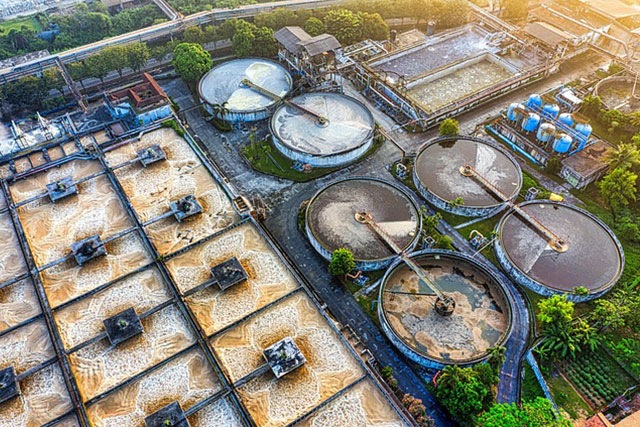
Malaysia has reached a significant milestone in water technology and digital infrastructure with the completion of its first Asset Digital Twin water treatment plant at Semenyih 2. This facility, now fully operational with integrated digital twin systems, represents one of the most advanced applications of smart water tech in the region.
The Semenyih 2 water treatment plant processes around 100 million litres per day (MLD) and has been equipped with technology that creates a virtual replica of the plant’s physical systems and processes — enabling real-time operational monitoring, optimisation, and predictive analytics.
Digital twin technology links physical infrastructure with advanced data and modelling tools. This integration allows operators to monitor performance across processes such as chemical dosing, pump performance, and flow distribution without manual inspection. By simulating scenarios before they happen, water technicians can anticipate issues, reduce energy consumption, and improve overall system reliability.
This advancement sets a new benchmark for water management in Southeast Asia, demonstrating how digital water technology can transform utilities from reactive maintenance models to proactive, data-driven operations. In an era where water demand is rising and supply is increasingly volatile due to climate change and urban growth, digital twin systems provide a critical advantage for utility efficiency and sustainability.
Digital Twin Water Treatment Enables Proactive Maintenance and Operational Optimisation
One of the flagship benefits of digital twin water technology is its ability to predict failures and optimise plant performance before issues escalate into outages or costly repairs. Rather than waiting for sensors to flag a problem, digital systems can simulate disruptions, evaluate their impact, and suggest optimal responses.
Real-time data integration also enhances decision-making. Sensors placed throughout the treatment plant feed into a central digital twin interface, allowing engineers to examine water quality, detect anomalies early, and optimise chemical and energy usage based on predictive modelling.
The ability to forecast outcomes months in advance — by analysing trends and historical patterns — enables utilities to plan maintenance work strategically, reduce downtime, and deliver consistent service coverage to consumers.
Digital Twin Water Treatment Supports Water Security in the Face of Climate and Demographic Stress
Malaysia — like many countries in the region — is confronting mounting water supply challenges linked to rapid urbanisation, aging infrastructure, and climate-driven variability in rainfall and river flows. The National Water Services Commission has warned that without technological and policy innovation, the country could face severe water shortages over the next five years.
Integrating digital twin solutions into water treatment plants helps utilities maximise asset performance, minimise non-revenue water, and improve distribution reliability. This approach reflects a broader shift toward smart water technology adoption, enabling utilities to respond to both infrastructure pressures and unpredictable supply conditions with greater agility.
Why the Philippines’ Largest Desalination Plant Marks a Water Infrastructure Milestone
Philippines’ Largest Seawater Desalination Plant Breaks Ground Using Advanced Reverse Osmosis Technology
The Philippines is undergoing its own water transformation on the supply side with the commencement of the largest desalination facility in the country. The Metro Iloilo Desalination Plant will use reverse osmosis desalination technology to produce about 66.5 million litres of potable water per day — enough to supply hundreds of thousands of residents reliably.
The groundbreaking, held in February 2025, signifies a strategic pivot in how water utilities approach climate risk, urban growth, and supply diversification. Unlike traditional surface water or groundwater systems, desalination offers an alternative source of freshwater independent of rainfall patterns, making it especially valuable in coastal and rapidly urbanising regions.
Construction of the desalination plant reflects long-term planning for water security and resilience. In many parts of the Philippines, seasonal droughts and pressure on surface water sources have made it difficult to ensure continuous supply for expanding urban populations. This desalination project aims to provide a dependable resource that can withstand climatic variabilities.
Desalination Infrastructure Transforms Urban Water Access and Climate Adaptation
Modern desalination projects such as the Metro Iloilo facility deploy reverse osmosis (RO) technology, which is widely regarded as one of the most efficient and scalable ways to convert seawater into potable water. These systems use semi-permeable membranes under pressure to separate salt and impurities, producing high-quality drinking water suitable for urban consumption.
Once operational, the Iloilo desalination plant will serve more than 400,000 residents and businesses, significantly reducing dependence on freshwater sources that are vulnerable to droughts and seasonal shortages.
The project also underscores the expanding role of large-scale water technology deployment in Southeast Asia’s infrastructure planning, where population growth and economic development demand reliable, diversified strategies for essential resources like water.
Reverse Osmosis Desalination Supports Sustainable City Growth and Resilience Planning
Desalination technology has steadily improved in energy efficiency and scalability. Newer RO systems integrate energy recovery devices and process optimisations that make them more affordable and environmentally viable than older thermal desalination methods.
By building out this capacity, cities such as Iloilo are investing in long-term resilience — ensuring a steady supply of potable water irrespective of fluctuating weather and river flows. These technologies also help balance competing water needs across economic sectors, including residential use, hospitality, and industrial growth.
What Role Advanced Water Technologies Play in Strengthening Resilience to Climate Pressures
Digital Twin Water Systems and Desalination Deployment Address Climate-induced Water Risks
The integration of digital water technology like digital twin systems, and the adoption of robust desalination infrastructure, are responses to a growing global trend: escalating climate impacts on water availability. Utilities worldwide are grappling with more frequent droughts, unpredictable rainfall, and rising demand due to population growth — trends that are evident in Southeast Asia as well.
Digital twin platforms allow utilities to forecast operational conditions in drought or peak demand scenarios, manage assets more effectively, and prioritise maintenance before system breakdowns occur. Meanwhile, desalination facilities provide supply diversification that is less dependent on traditional freshwater sources such as rivers and reservoirs.
Together, these technologies strengthen water resilience frameworks, enabling water systems to withstand climate variability with minimal service disruption.
Advanced Water Technology Adoption Boosts Sustainability and Operational Optimisation
Beyond resilience, technologies such as digital twins and modern desalination systems contribute to sustainable operations. Digital monitoring helps minimise water loss, optimise energy consumption, and reduce chemical use in treatment processes. By enhancing precision and automation, utilities can lower their environmental footprint and operating costs.
Similarly, cutting-edge desalination facilities increasingly incorporate energy recovery systems and efficiency improvements that make them more compatible with sustainability goals. While desalination has historically been energy-intensive, next-generation plants focus on reducing energy consumption through smarter design and integration with renewable energy sources.
These trends reflect a transformation in the water industry where efficiency, sustainability, and climate adaptation become core objectives linked to technology deployment rather than afterthoughts.
How Policy and Investment Trends are Shaping Sustainable Water Tech Deployment
Water Technology Investment Aligns with Regional Infrastructure and Sustainability Policy
The adoption of digital twin water treatment and large-scale desalination corresponds with broader policy trends prioritising water security and resilient infrastructure investment. Governments and utilities recognise that traditional water systems are increasingly strained by climate pressures, demographic shifts, and ageing assets.
Integrating intelligent digital systems into water treatment plants supports policy goals related to water conservation, reliability, and service quality. Likewise, investing in desalination infrastructure aligns with regional strategies to diversify water sources and strengthen community resilience.
These shifts are often backed by targeted funding initiatives, regulatory incentives, and long-term infrastructure planning cycles that prioritise technology as an enabler of sustainability outcomes.
Strategic Water Technology Deployment Attracts Private Investment and Innovation
Innovative water projects — particularly large desalination facilities and smart water systems — often attract private sector participation and engineering partnerships. For instance, complex reverse osmosis plants and digital twin platforms require multidisciplinary expertise that combines software, engineering, and process management.
This environment encourages cross-sector collaboration, where government bodies, research institutions, and technology providers co-develop solutions that can scale regionally. By aligning policy, investment, and technological innovation, countries can build water systems that are both resilient and efficient.
What Challenges and Opportunities Lie ahead for Southeast Asia’s Water Technology Future
Technical Integration and Workforce Capacity Remain Barriers to Scaling Water Tech Solutions
Despite strong growth in digital water systems and desalination infrastructure, challenges remain. Integrating advanced technologies with existing physical infrastructure — especially older treatment facilities or distribution networks — can be complex. Utilities often face legacy system constraints, interoperability issues, and skills gaps that slow down full adoption.
Workforce readiness is also critical. Operating digital twin systems and advanced treatment technologies requires technical expertise in data analytics, systems engineering, and process management. Investments in training and capacity development are essential to ensure these technologies deliver long-term benefits.
Ensuring Equitable Access to Advanced Water Technology Benefits Diverse Communities
As water technologies evolve, policymakers must ensure that technological advances benefit all communities — including rural and underserved areas. Innovations such as digital twin water systems and desalination must be part of inclusive water planning that addresses disparities in access and affordability.
For example, while digital twin plants can improve efficiency in major metropolitan utilities, rural networks may lack the basic infrastructure needed to support such systems. Targeted investment and tailored solutions will be necessary to bridge these gaps and ensure that water technology innovation translates into equitable service delivery.
The water technology landscape in Southeast Asia is undergoing a meaningful transformation. Malaysia’s deployment of its first digital twin water treatment plant reinforces how smart water technology improves operational performance and resilience. Meanwhile, the construction of the Philippines’ largest desalination facility shows how advanced water infrastructure can provide reliable supply alternatives amid climate volatility and rising demand.
Together, these developments show how digital innovation and infrastructure expansion are not just technological achievements, but strategic responses to pressing water security challenges. As policymakers, utilities, and technology stakeholders continue to push the boundaries of water tech adoption, the future of water management in the region increasingly centres on climate resilience, sustainability, and integrated system optimisation.
