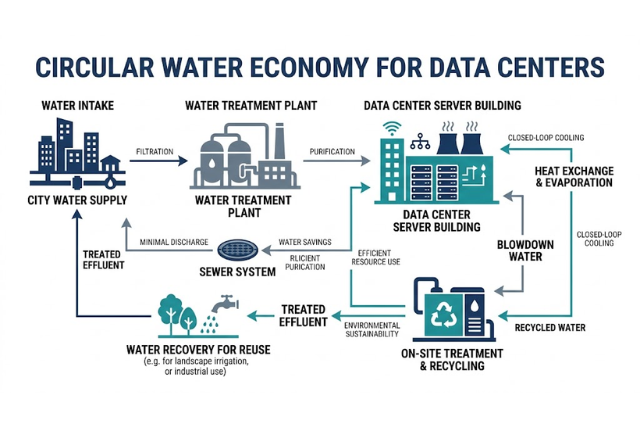
The global explosion of artificial intelligence (AI) and cloud computing has created an insatiable demand for data processing. However, this digital boom comes with a significant environmental price tag: heat.


The global explosion of artificial intelligence (AI) and cloud computing has created an insatiable demand for data processing. However, this digital boom comes with a significant environmental price tag: heat.

Have you ever looked at your trash can, overflowing with coffee grounds, banana peels, and wilted spinach, and thought there had to be a better way?
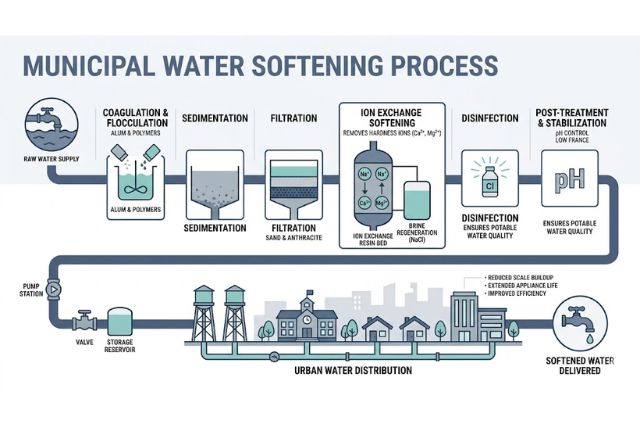
When you turn on a tap in a modern city, you expect safe, clean water. However, beneath the surface of our streets lies a silent, creeping threat to urban infrastructure: hard water.
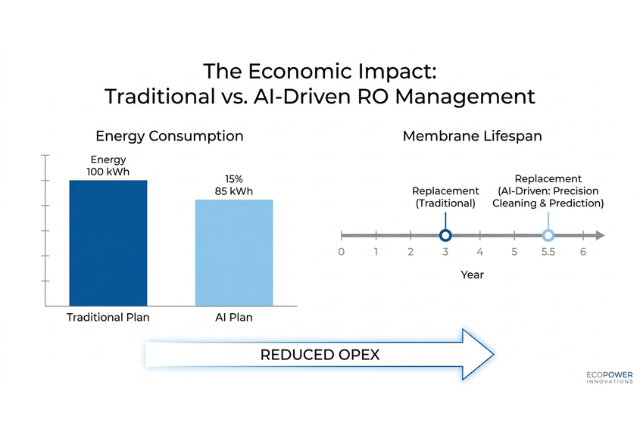
The global water industry is no longer just a sector of pipes, valves, and manual checks; it is rapidly becoming a data-driven frontier.

In the global water treatment sector, the focus has shifted from mere “supply” to “security.” As urban density increases and building systems grow in complexity, the risk of Legionella pneumophila has evolved from a maintenance concern into a high-stakes liability.
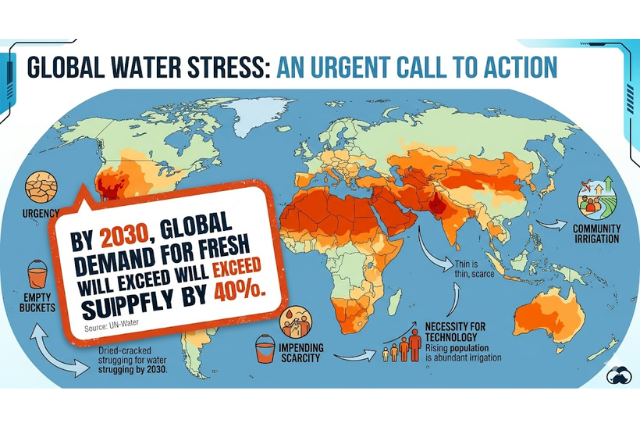
Every year, World Water Day serves as a poignant reminder that while water covers 70% of our planet, safe and accessible water remains a luxury for billions.
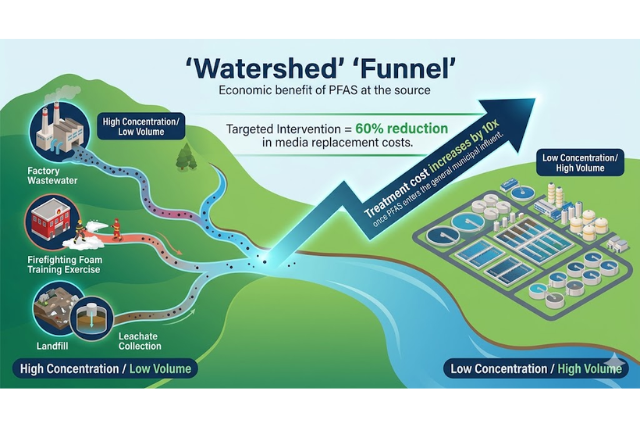
The global water industry is currently navigating one of its most complex challenges to date: the pervasive presence of per- and polyfluoroalkyl substances (PFAS).
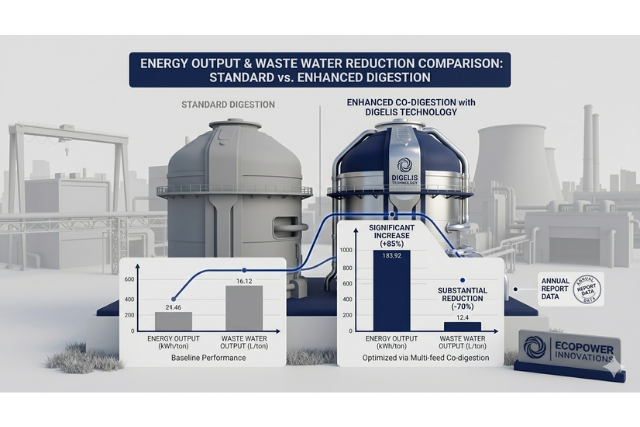
As global urbanization accelerates, the challenge of managing organic waste has reached a critical tipping point.
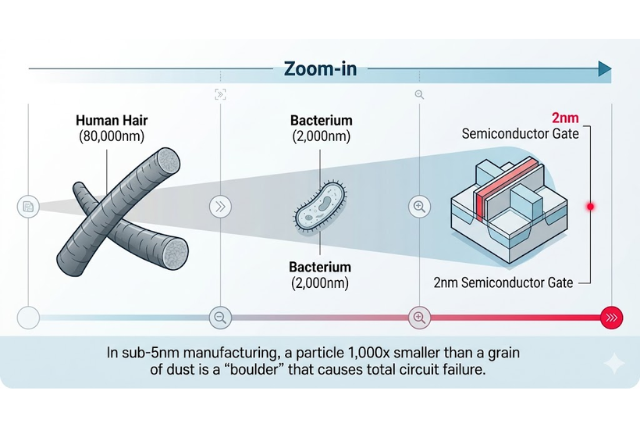
In the high-stakes arena of microelectronics, the difference between a market-leading processor and a wasted silicon wafer often comes down to a single molecule.
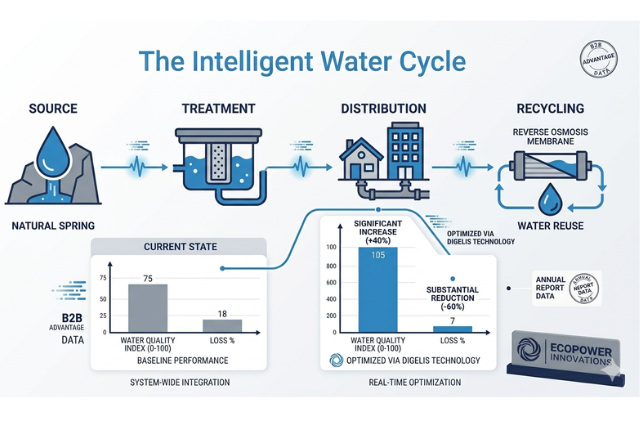
The global water sector is no longer defined solely by physical infrastructure; it is being redefined by bits, bytes, and neural networks.
